




Addiction is a complex condition characterized by compulsive engagement in rewarding stimuli despite adverse consequences. It involves a psychological or physical dependence on substances or behaviors, leading to significant impairment in daily functioning.
The main types of addiction are substance addiction and behavioral addiction. Substance addiction includes dependencies on drugs, alcohol, nicotine, and prescription medications. A study by SAMHSA notes that approximately 19.7 million Americans aged 12 or older battled a substance use disorder in 2017. Behavioral addiction encompasses compulsive behaviors such as gambling, gaming, and internet use.
The causes of addiction are genetic, environmental, and psychological factors. Genetic predisposition plays a significant role, with studies by NIDA published in 2020 titled “What is drug addiction?” suggesting that 40-60% of susceptibility to addiction is attributed to genetics. Environmental influences, such as exposure to drugs or high-stress situations, trigger addictive behaviors. Additionally, mental health issues like anxiety and depression contribute to the development of addiction.
Addiction affects physical health, mental well-being, and social relationships. Physically, addiction leads to health complications, including liver disease, heart problems, and infectious diseases. Mentally, it exacerbates issues like anxiety and depression, while socially, it results in isolation, strained relationships, and difficulties in maintaining employment.
Treatment options for addiction include behavioral therapies, counseling, support groups, and medication-assisted treatment. Cognitive-behavioral therapy (CBT) helps individuals change harmful thought patterns, while medications are used to manage withdrawal symptoms and reduce cravings. Support groups like Alcoholics Anonymous (AA) provide community and encouragement throughout the recovery process.
What is Addiction?
Addiction is a chronic condition where a person feels a strong need to seek out and use drugs or engage in certain behaviors, even when it causes harm. It is considered a brain disorder because it changes how the brain works, particularly in areas related to reward, stress, and self-control. Environmental factors, like stress or drug exposure, also play a significant role. Additionally, nearly 20% of individuals with substance use disorders have co-occurring mental health issues, per research by Veer V. et al. published in Translational Psychiatry in 2021 titled “Association of co-occurring opioid or other substance use disorders with increased healthcare utilization in patients with depression.”

How Common Is Addiction?
Addiction is quite common, as it affects millions of people worldwide. In the U.S., approximately 19.7 million adults aged 12 or older had a substance use disorder in 2017, which represents about 7.9% of the population. This issue is particularly severe in Ohio, which has one of the highest rates of addiction in the country. A study by Nathan J., published in the American Journal of Epidemiology in 2022 titled “Opioid Use Disorder Among Ohio’s Medicaid Population: Prevalence Estimates From 19 Counties Using a Multiplier Method” focusing on Ohio’s Medicaid population estimated that 13.6% of adults aged 18-64 in 19 counties had opioid use disorder (OUD) in 2019, indicating a significant prevalence of addiction within vulnerable populations. These statistics highlight the urgent need for effective prevention and treatment strategies to address addiction in both Ohio and the broader United States.
Is Addiction A Disease?
Yes, addiction is considered a disease. The American Medical Association and the National Institute on Drug Abuse define it as a chronic brain disorder marked by compulsive substance use despite harmful effects. Addiction changes brain structure and function, especially in areas related to reward and decision-making. For example, long-term substance use significantly alters dopamine, a key neurotransmitter linked to rewarding behaviors.
Addiction follows a three-stage cycle: binge/intoxication, withdrawal/negative feelings, and preoccupation/anticipation, each affecting different brain regions. Genetic factors also play a role, with studies by SAMHSA in 2016 titled “The Neurobiology Of Substance Use, Misuse, And Addiction” indicating they account for 40-70% of addiction risk. This means addiction isn’t just a matter of personal choice or moral weakness. The study also showed that over 60% of people treated for addiction relapse within the first year, highlighting its chronic nature.
What Are The Types Of Addiction?
The types of addiction are substance addiction and behavioral addiction. Both types of addiction have profound impacts on an individual’s life, affecting relationships, work performance, and overall well-being.

The types of addiction are explained below:
Substance Addiction
Substance addiction refers to dependence on drugs or alcohol, which leads to significant health issues and impairs daily functioning. Common substances that people become addicted to include alcohol, nicotine, prescription medications (e.g., opioids), illegal drugs (e.g., cocaine, heroin), etc. In the United States, substance addiction is a major public health concern. In Ohio, the opioid crisis has significantly impacted addiction rates, with a reported rate of 31.11 per 100,000 opioid overdose deaths in 2016, as noted in research by R Lyle., et al. published in the Preventive Medicine Reports in 2020 titled “Modeling dynamics of fatal opioid overdose by state and across time.”
Behavioral Addiction
This involves compulsive engagement in activities that lead to negative consequences, even though they do not involve substances. Common examples include gambling, sex, shopping, video gaming, and internet use. Behavioral addictions are increasingly recognized as serious issues. For instance, gambling addiction is classified as a disorder by the American Psychiatric Association, and research indicates that it triggers similar brain responses as substance addiction. A study utilizing data from the National Epidemiologic Survey on Alcohol and Related Conditions (NESARC), which included 43,093 adult participants, found that the lifetime prevalence of disordered gambling was 2.3% among Native Americans/Asians and 2.2% among Blacks, significantly higher than 1.2% for Whites. These findings emphasize the need for targeted prevention and treatment strategies, especially as behavioral addictions, particularly gambling and internet addiction, are becoming more prevalent in Ohio and across the United States.
What Are The Most Common Types Of Substance Use Addictions?
The common types of substance use addictions include alcohol, opioids, marijuana, stimulants, benzodiazepines, hallucinogens, and nicotine. Each addiction presents unique challenges, prevalence rates, and health consequences, necessitating tailored prevention and treatment strategies.
The common types of substance use addictions are given below:
1. Alcohol Addiction
Alcohol addiction, also known as alcohol use disorder (AUD), is characterized by an inability to control or stop drinking despite negative consequences. Per the 2023 National Survey on Drug Use and Health, titled “Alcohol Use Disorder (AUD) in the United States: Age Groups and Demographic Characteristics,” approximately 28.9 million Americans aged 12 and older experienced AUD within the past year. Making it one of the most prevalent substance use disorders. The severity of alcohol addiction leads to significant health complications, including liver disease and increased risk of accidents.
2. Opioid Addiction
Opioid addiction involves a compulsive use of opioid drugs, which include prescription medications and illegal substances like heroin. In 2021, around 60 million people globally and 9 million in the United States reported misusing opioids. Within the U.S., an estimated 2.5 million individuals are affected by opioid addiction. Still, only about one-third of them receive treatment for substance abuse, as noted in a report published in the Drug and Alcohol Dependence Reports in 2024 titled “Opioid use disorder (OUD) and treatment for opioid problems among OUD symptom subtypes in individuals misusing opioids.”
3. Marijuana Addiction
Marijuana addiction, or cannabis use disorder, is defined by the problematic use of marijuana leading to significant impairment or distress. A study conducted by Norah D. et al., published in PubMed Central in 2016 and titled “Adverse Health Effects of Marijuana Use,” reveals that approximately 9% of marijuana users will develop a dependence on the substance. This likelihood rises significantly for individuals who begin using marijuana during their adolescent years.
4. Stimulant Addiction
Stimulant addiction refers to the compulsive use of stimulant drugs, such as cocaine and methamphetamine, which enhance alertness and energy. Approximately 16 million adults in the U.S. reported using prescription stimulants in the past year; of these, 5 million misused these medications without having a use disorder, while around 400,000 individuals met the criteria for a stimulant use disorder. This data comes from a study by Wilson M. et al., published in the American Journal of Psychiatry in 2018, titled “Prevalence and correlates of prescription stimulant use, misuse, use disorders, and motivations for misuse among adults in the U.S.” The severity of stimulant addiction leads to significant health issues, including cardiovascular problems and an increased risk of infectious diseases, underscoring the need for effective prevention and treatment strategies.
5. Benzodiazepine Addiction
Benzodiazepine addiction occurs when individuals compulsively use medications initially prescribed to treat anxiety and sleep disorders. This dependency often leads to a cycle of misuse and escalating doses. As a result, individuals can face significant physical and psychological challenges. Benzodiazepine use in the U.S. is greater than earlier estimates, with misuse constituting nearly 20% of all usage. Notably, the prevalence of use among adults aged 50 to 64 has surpassed that of individuals aged 65 and older, as evidenced in a study by Donovan T. et al. published in the Psychiatric Services in 2020 titled “Benzodiazepine Use and Misuse Among Adults in the United States.”
6. Hallucinogen Addiction
Hallucinogen addiction involves the repeated use of psychoactive substances that alter perception, mood, and cognitive processes, such as LSD or psilocybin. While not as commonly discussed as other types of addiction, hallucinogen addiction is increasingly recognized as a public health concern. A study by Columbia University in 2022, titled “New Study Estimates Over 5.5 Million U.S. Adults Use Hallucinogens,” reported that in 2019, approximately 5.5 million people in the U.S. reported using hallucinogens over the past year. This reflects a notable increase from 1.7% of the population aged 12 and older in 2002 to 2.2% in 2019.
7. Nicotine Addiction
Nicotine addiction is primarily associated with the use of tobacco products, particularly cigarettes. The severity of nicotine addiction can lead to numerous health complications, including lung cancer and cardiovascular disease. According to the CDC, in 2024, smoking-related illnesses account for more than 480,000 deaths annually in the United States. This alarming statistic underscores the critical need for effective interventions to combat nicotine addiction and its devastating health effects.
What are the Most Common Behavioral Addictions?
The most common behavioral addictions are gambling addiction, internet addiction, gaming addiction, and shopping addiction. Each of these compulsive behaviors significantly affects individuals’ lives and well-being.
Gambling Addiction
This addiction involves a compulsive urge to gamble despite harmful consequences. Individuals chase losses, leading to financial problems, strained relationships, and emotional distress. Approximately 2.5 million adults in the U.S., or about 1%, are estimated to have a severe gambling issue in any given year. Also, between 5 and 8 million adults, representing 2-3%, experience mild to moderate gambling difficulties, as indicated in a study published by the National Council on Problem Gambling titled “What is gambling?”
Internet Addiction
Internet addiction is characterized by excessive use of the internet, this addiction manifests in various forms, including social media, online shopping, or browsing. It interferes with daily responsibilities and leads to social isolation and mental health issues. A study from 2017 published in Science Direct titled “Life satisfaction: A key to managing internet & social media addiction” estimated that around 6% of the global population suffers from internet addiction, affecting millions of individuals worldwide.
Gaming Addiction
This refers to an uncontrollable urge to engage in video gaming, which disrupts daily life, work, and relationships. Gamers prioritize gaming over essential activities, which negatively impacts their health and social interactions. In 2019, the World Health Organization recognized gaming disorder as a mental health condition.
Shopping Addiction
Also known as compulsive shopping, this addiction involves an overwhelming desire to shop and acquire items, leading to financial difficulties and feelings of guilt or regret. Individuals shop to cope with stress or emotional issues, further entrenching the cycle of addiction.
What Are the Signs and Symptoms of Addiction?
The signs and symptoms of addiction are inability to stop using the substance, increased tolerance to the substance, lack of control over usage, experiencing withdrawal symptoms, craving the substance intensely, neglecting responsibilities and obligations, and isolating oneself from friends and family. Commonly, these indicators reflect a person’s struggle with substance use or behavior that leads to negative consequences.
Common symptoms of addiction are given below:
- Inability to stop using the substance: This refers to the compulsive urge to continue consuming a substance despite the desire to quit. Individuals find themselves unable to control their usage, leading to a cycle of dependency.
- Increased tolerance to the substance: Over time, a person requires larger doses to achieve the same effects they once experienced with smaller amounts. This escalation leads to increased consumption and a higher risk of adverse consequences.
- Lack of control over usage: Many individuals struggling with addiction find it difficult to limit their intake. They set goals to reduce use but consistently fail to meet them, consuming more than intended.
- Experiencing withdrawal symptoms: When not using the substance, individuals face physical and psychological symptoms, such as anxiety, nausea, or irritability. These withdrawal effects make it challenging to stop using, as they drive the person back to substance use for relief.
- Craving the substance intensely: A strong desire or urge to use the substance dominates an individual’s thoughts and behaviors. Various factors, including stress, environmental cues, or social situations, trigger this craving. Over 90% of daily cigarette smokers report cravings after a few hours without smoking.
- Neglecting responsibilities and obligations: Addiction leads individuals to prioritize substance use over important life responsibilities, such as work, family, or personal health. This neglect results in significant negative impacts on their personal and professional lives. A study conducted by Carina N. et al., published in Healthcare in 2023, revealed that recent marijuana use raises the likelihood of job loss by 50%. This research, titled “Unemployment and Substance Use: An Updated Review of Studies from North America and Europe,” highlights the significant impact of substance use on employment stability.
- Continuing use despite negative consequences: Individuals persist in using a substance even when it leads to harmful outcomes, such as health issues, relationship problems, or legal troubles. This behavior highlights the overpowering nature of addiction.
- Spending excessive time obtaining or using the substance: Many individuals find themselves devoting significant time to seeking, using, or recovering from the effects of the substance. This preoccupation further disrupts their daily lives and responsibilities.
- Isolating oneself from friends and family: Addiction causes individuals to withdraw from their social circles, leading to feelings of loneliness and isolation. They avoid interactions with loved ones to hide their behavior or due to shame.
- Engaging in risky behaviors while under the influence: Substance use impairs judgment and reduces inhibitions, leading individuals to partake in dangerous activities, such as driving under the influence or risky sexual behavior. This increases the likelihood of harm to themselves and others.
What Causes Addiction?
The causes of addiction are genetic factors, environmental factors, mental health conditions, trauma and stress, social isolation, early use of substances, etc. Understanding these causes is important for developing effective prevention and treatment strategies.
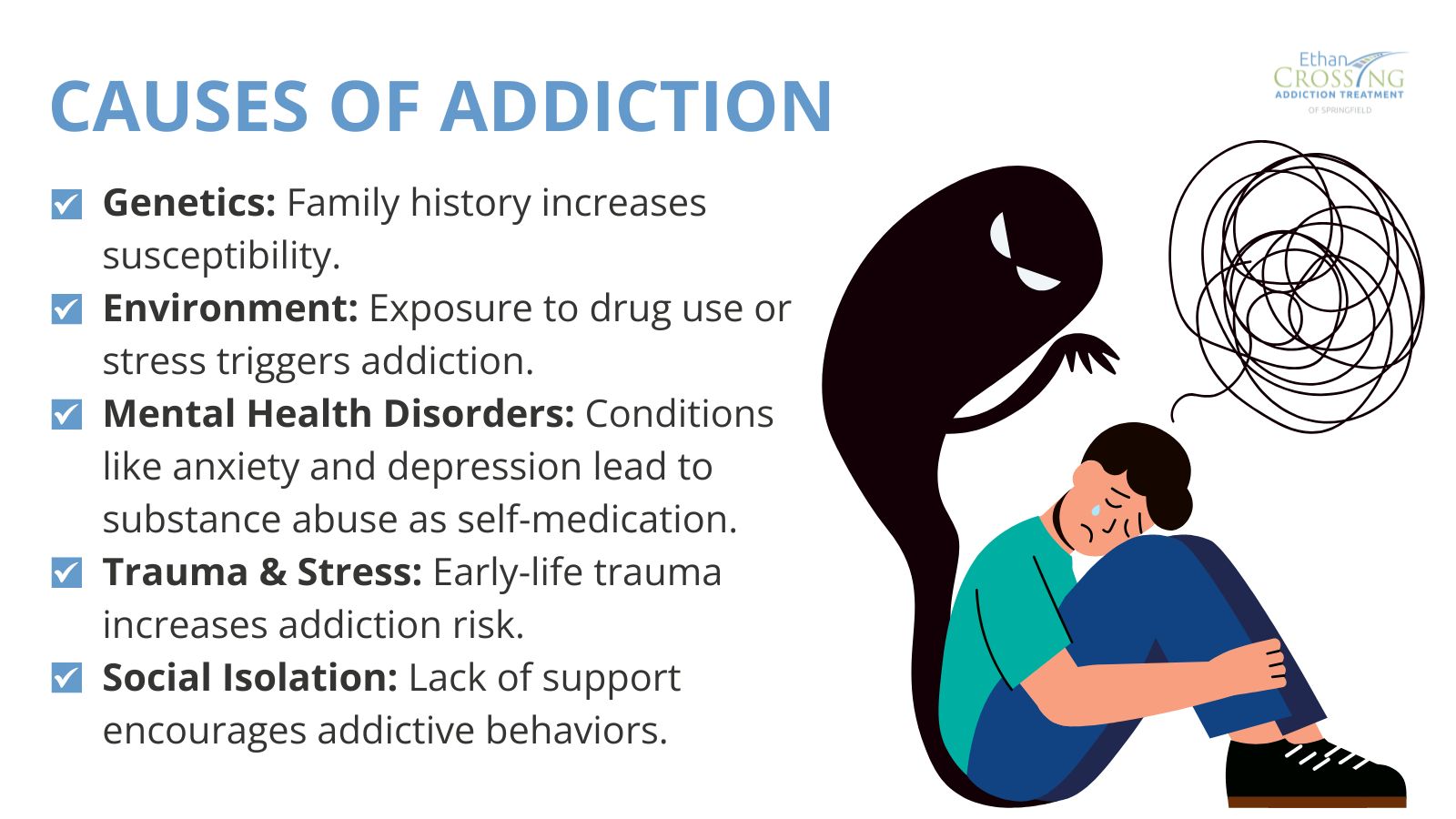
Common causes of addiction are given below:
- Genetic Factors: Genetic factors play a significant role in addiction, as individuals with a family history of substance use disorders are more likely to develop similar issues. Genetic predispositions influence how one’s body metabolizes substances and how they respond psychologically to drug use. Out of 576 participants aged 18 to 29, 31.3% reported a family history of SUDs. Those with such a history exhibited significantly higher rates of gambling problems, greater substance use (alcohol and nicotine), and various mental health disorders, per the results of a 2020 study by Jon E. et al. published in the Journal of Behavioral Addictions titled “Family history of substance use disorders: Significance for mental health in young adults who gamble.”
- Environmental Factors: Environmental factors encompass various external influences, such as family dynamics, peer relationships, and community conditions. Exposure to drug use within the family or social circles normalizes substance use and increases the likelihood of experimentation and addiction.
- Mental Health Conditions: Individuals with mental health disorders, such as anxiety, depression, or PTSD, turn to drugs or alcohol as a way to cope with their symptoms. This self-medication creates a cycle where substance use exacerbates mental health issues, leading to further dependence. 50% of individuals with substance use disorders also have a co-occurring mental health disorder, according to a review published in Cleveland Clinic in 2022 titled “Dual Diagnosis.”
- Early Use of Substances: Initiating drug or alcohol use at a young age is a strong predictor of developing addiction later in life. The adolescent brain is still developing, making it more susceptible to the harmful effects of substances, which alter brain chemistry and increase vulnerability to addiction.
- Trauma and Stress: Experiencing trauma or chronic stress significantly impacts an individual’s mental health, leading some to seek relief through substance use. Drugs temporarily alleviate feelings of distress, but this coping mechanism ultimately leads to dependence and addiction. Research published by Sage Journals in 2022 examines the prevalence of traumatic experiences and PTSD symptoms in individuals with substance use disorder (SUD), comparing those currently using substances to those who have recovered. Among the 114 participants, 72.3% reported childhood trauma, and 94.4% reported lifetime trauma, with no significant differences between current and recovered users. Notably, 23.8% of current users and 25.6% of recovered users exhibited PTSD symptoms, with gender differences revealing that women experienced higher rates of sexual aggression and PTSD symptoms compared to men.
- Social Isolation: Lack of social support and meaningful connections increase the risk of addiction, as individuals turn to substances for comfort or companionship. Isolation exacerbates feelings of loneliness and despair, making substance use seem like a viable escape.
- Cultural and Societal Norms: Cultural attitudes toward drug use shape individual behaviors and perceptions about substances. In societies where drug use is normalized or glamorized, individuals are more likely to experiment with drugs, while stigmatization deters others from seeking help for substance use issues.
What Are The Effects Of Addiction?
The effects of addiction are both mental and physical. Individuals struggling with addiction face a variety of health issues, including chronic diseases, mental health disorders, and significant impairments in daily functioning. The consequences lead to a cycle of dependency that exacerbates both physical and psychological problems.

The effects of addiction are given below:
Physical Effects: Physical effects refer to the physiological changes and health issues that arise from substance use. These effects lead to chronic health conditions, decreased bodily function, and overall deterioration of physical well-being. The physical effects of addiction include:
- Cardiovascular Issues: Substance abuse elevates heart rate and blood pressure, increasing the risk of heart disease and strokes. Long-term use causes lasting damage to the cardiovascular system, leading to chronic health problems. A 2014 meta-analysis by Eur Neuropsychopharmacol of published clinical trials presents a current evaluation of changes in blood pressure and heart rate linked to the use of CNS stimulants for ADHD treatment. Analyzing data from 2,665 patients across 10 trials, the analysis found that the use of CNS stimulants was associated with an average increase in heart rate of about five beats per minute, along with a rise in systolic or diastolic blood pressure of 1.2 mmHg.
- Liver Damage: Alcohol abuse is particularly harmful to the liver, leading to conditions like fatty liver, hepatitis, and cirrhosis. This compromises the liver’s detoxification abilities, potentially resulting in severe health complications.
- Weight Changes: Addiction leads to significant weight fluctuations, whether through neglect of nutrition or unhealthy eating habits associated with substance use. This manifests as drastic weight loss or gain.
- Infectious Diseases: Sharing needles or engaging in risky behaviors increases the risk of infectious diseases like HIV and hepatitis. These diseases have long-term health implications and require extensive medical treatment.
- Increased Risk of Accidents: Impaired judgment and coordination due to addiction lead to a higher likelihood of accidents, including falls, car crashes, and overdoses, potentially resulting in severe injuries or death.
- Withdrawal Symptoms: When attempting to quit, individuals experience withdrawal symptoms, which are both physically and psychologically distressing. Symptoms include nausea, anxiety, and intense cravings, complicating the recovery process. Withdrawal symptoms are common, with alcohol withdrawal presenting a 30% mortality rate among hospitalized patients, according to a study by StatPearls published in 2024 titled “Withdrawal Syndromes.”
Mental Effects of Addiction: Mental effects encompass the psychological and emotional problems that arise from addiction. These effects lead to mental health disorders, cognitive impairments, and significant disruptions in daily functioning. The mental effects of addiction include:
- Cognitive Impairment: Substance use impairs cognitive functions, affecting memory, attention, and decision-making abilities. This cognitive decline complicates daily tasks and responsibilities, impacting personal and professional life. A study by Drug and Alcohol Review published in 2019 titled “Prevalence of cognitive impairment in patients with substance use disorder” revealed a 31% prevalence of cognitive impairments among 656 patients with substance use disorder, with alcohol users showing the most significant deficits compared to users of cannabis, stimulants, and opioids.
- Social Isolation: Addiction leads individuals to withdraw from social relationships, resulting in feelings of loneliness and despair. This isolation further exacerbates the addiction, making recovery more difficult.
- Relationship Strain: The behaviors associated with addiction cause significant conflicts in personal relationships. Trust issues and emotional turmoil lead to the breakdown of relationships with family and friends.
- Legal Issues: Engaging in illegal activities to support an addiction results in serious legal consequences. These issues have lasting effects on an individual’s life, impacting employment opportunities and personal freedom, according to an issue brief published by Pew Trusts in 2023, Over 11% of adults with co-occurring disorders faced arrest each year, which is 12 times higher than those without any substance use disorder or mental illness, and six times higher than individuals who only have a mental illness.
- Financial Problems: The cost of maintaining an addiction leads to significant financial strain. Individuals prioritize spending on substances over essential needs, resulting in debt and financial instability.
- Decreased Quality of Life: Overall, addiction diminishes life satisfaction and enjoyment. The relentless cycle of substance use and its consequences overshadow positive experiences, leading to a bleak outlook on life.
How is Addiction Diagnosed?
Addiction is diagnosed through clinical assessments, screening tools, and adherence to established criteria. Medical professionals utilize the DSM-5, which outlines specific criteria for diagnosing substance use disorders, including factors such as the inability to control use, cravings, and the development of tolerance or withdrawal symptoms. Screening tools like the CAGE questionnaire or the Alcohol Use Disorders Identification Test (AUDIT) is employed to identify potential addiction issues. To assess the severity of addiction, practitioners consider various dimensions, including the frequency and quantity of substance use, the impact on daily functioning, and the presence of co-occurring mental health conditions. This thorough evaluation allows healthcare providers to create tailored treatment plans that address the unique needs of individuals struggling with addiction.
What Are The Treatments For Addiction?
The treatments for addiction are medication-assisted treatment, residential treatment, partial hospitalization, intensive outpatient programs, behavioral therapies, and aftercare programs. Each treatment plays a crucial role in supporting recovery and managing addiction effectively.

The treatments for addiction are given below:
Medication-Assisted Treatment (MAT)
Medication-assisted treatment combines medications with counseling and behavioral therapies to treat substance use disorders. It includes medicines like methadone, buprenorphine, and naltrexone, which help manage withdrawal symptoms and cravings. MAT is beneficial as it increases the chances of recovery by stabilizing brain chemistry and reducing the risk of relapse. A 2020 study by NIDA found that Medication-Assisted Treatment (MAT) lowers the likelihood of relapse by as much as 50%. This highlights its significant effectiveness in the treatment of drug addiction.
Residential Treatment
Residential Treatment involves patients living at a treatment facility for a specified period, ranging from 30 to 90 days. This approach includes a structured environment with 24/7 care and access to various therapies. Residential treatment is helpful for addiction by providing a safe space for intensive treatment, away from triggers and distractions of daily life.
Partial Hospitalization
Partial Hospitalization Programs (PHP) offer a structured treatment program that includes daily therapy sessions, allowing patients to return home in the evenings. This treatment provides comprehensive care, including medical and psychological support. Partial Hospitalization is beneficial for individuals who need intensive treatment but have a stable home environment to support their recovery.
Intensive Outpatient Program (IOP)
Intensive Outpatient Programs involve regular therapy sessions several times a week without the need for overnight stays. This treatment includes group and individual therapy, education about addiction, and support for developing coping strategies. The intensive Outpatient Program is helpful as it allows individuals to maintain their daily responsibilities while still receiving significant support for their recovery.
Behavioral Therapies
Behavioral Therapies encompass a variety of techniques aimed at changing harmful behaviors associated with addiction. This includes Cognitive Behavioral Therapy (CBT), Dialectical Behavior Therapy (DBT), and contingency management. These therapies are helpful as they teach individuals coping skills, address underlying issues, and promote healthier behaviors. About 60% of individuals undergoing cognitive behavioral therapy for substance use issues successfully sustain their recovery for a full year, as noted in research by Verywell Health in 2022 titled “Can Cognitive Behavioral Therapy (CBT) Treat Alcoholism and Drug Addiction?”
Aftercare Program
Aftercare Programs provide ongoing support and resources after primary treatment has ended. This includes support groups, counseling, and relapse prevention strategies. Aftercare is crucial for maintaining sobriety, as it helps individuals navigate challenges and reintegrate into everyday life while receiving continued support from peers and professionals. A study by Alcohol Research in 2021 titled “Impact of Continuing Care on Recovery From Substance Use Disorder.” reported effect sizes ranging from g = .19 to g = .27, demonstrating that those who engage in aftercare are more likely to experience positive outcomes in their recovery journey.
Can You Prevent An Addiction?
Yes, addiction can be prevented, particularly through early intervention and the implementation of evidence-based strategies, including mindfulness techniques. Preventing early use of drugs and alcohol significantly reduces the risk of developing addiction later in life. Adolescence is a critical period for prevention, as the brain is still developing, making young people more susceptible to the effects of drugs and peer pressure.
Furthermore, Mindfulness improves emotional awareness and resilience, helping individuals manage triggers and cravings more effectively. The research examining mindfulness-based interventions for psychosis (MBI-p) included 152 participants, revealing a relapse rate of 13.0% (10 patients) in the MBI-p group compared to 13.3% (10 patients) in the psychoeducation group. This resulted in an odds ratio of 1.064 (95% CI [0.410, 2.762], p = 0.889), suggesting no significant difference in relapse rates between the two approaches. These findings were published in a 2024 study in Nature titled “Effects of mindfulness-based intervention in preventing relapse in patients with remitted psychosis: a randomized controlled trial.”
How to Overcome an Addiction?
To overcome addiction, you need to seek professional help, build a support network, set clear goals, practice meditation, avoid triggers, and develop coping mechanisms.
The tips for overcoming addiction are explained below:
- Seek Professional Help: Engage with healthcare providers, therapists, or addiction specialists who create a tailored treatment plan.
- Build a Support Network: Surround yourself with supportive friends, family, and support groups like Alcoholics Anonymous (AA) or Narcotics Anonymous (NA).
- Set Clear Goals: Establish specific, achievable goals for your recovery journey to maintain focus and motivation.
- Practice Mindfulness and Meditation: Incorporate mindfulness techniques to reduce stress and enhance emotional regulation.
- Develop Healthy Coping Mechanisms: Replace addictive behaviors with healthier alternatives, such as exercise, hobbies, or creative outlets.
- Avoid Triggers: Identify and steer clear of situations, places, or people that tempt you to relapse.
What Is The Most Common Addiction?
The most common addiction is alcohol addiction, also known as alcoholism or alcohol use disorder. Millions of individuals struggle with alcohol dependence, making it a significant public health issue. According to the 2023 National Survey on Drug Use and Health, titled “Alcohol Use Disorder (AUD) in the United States: Age Groups and Demographic Characteristics,” around 28.9 million Americans aged 12 and older reported experiencing Alcohol addiction in the previous year.
Alcohol addiction co-occurs with other mental health disorders, such as depression and anxiety, exacerbating its impact on individuals’ lives. The widespread availability and social acceptance of alcohol contribute to its prevalence, along with a cultural context that normalizes excessive drinking.
Can You Get Addicted To Drugs After The First Use?
Yes, it is possible to become addicted to drugs after the first use. The likelihood of developing substance dependence varies significantly depending on the type of drug used. For instance, a study by Lopez-Quintero and colleagues (2011) found that approximately 7.1% of individuals who used cocaine developed dependence within the first year of use, which is notably higher compared to less than 2% for substances like alcohol, nicotine, or cannabis.
Furthermore, the National Epidemiologic Survey on Alcohol and Related Conditions (NESARC) in 2012 reported that the cumulative probability of transitioning from use to dependence is particularly high for nicotine users at 67.5%, followed by 22.7% for alcohol, 20.9% for cocaine, and 8.9% for cannabis users. These findings suggest that while not everyone who tries drugs will become addicted, certain substances carry a higher risk of leading to dependence shortly after initial use.
Can You Get Addicted To Prescription Drugs?
Yes, you can become addicted to prescription drugs. The misuse of prescription medications, particularly opioids, central nervous system (CNS) depressants, and stimulants, leads to addiction and dependence. Research by NIDA in 2011 titled “Prescription Drug Abuse” indicates that among individuals who reported nonmedical use of prescription drugs, nearly 14% met the criteria for abuse or dependence.
The rise in prescription drug abuse has been significant. Opioids, in particular, are the most commonly abused prescription drugs, contributing to a substantial increase in treatment admissions for substance use disorders. The potential for addiction is further compounded by the fact that many individuals initially use these medications for legitimate medical reasons but subsequently misuse them, leading to compulsive behaviors and negative consequences.
Can Addiction Lead To Mental Health Issues?
Yes, addiction leads to mental health issues. Substance use significantly contributes to the development and exacerbation of various mental disorders. According to a 2022 review titled “Dual Diagnosis” published by Cleveland Clinic, approximately 50% of individuals with substance use disorders also experience a co-occurring mental health disorder.
Moreover, individuals with existing mental health disorders turn to drugs or alcohol as a form of self-medication, which creates a cycle of dependency and worsens their mental health over time. The National Institute of Mental Health (NIMH), in a 2024 study titled “Substance Use and Co-Occurring Mental Disorders,” highlights that the interplay between substance use and mental health disorders is complex, with both conditions sharing common risk factors, such as genetic predispositions and environmental influences.