



Caffeine addiction develops when regular caffeine consumption leads to dependence on its stimulating effects to maintain alertness and energy, making it difficult to function without it. About 90% of American adults consume caffeine regularly, primarily through coffee, tea, and cola drinks, according to a study by Lieberman HR et al. 2019, titled “Daily Patterns of Caffeine Intake and the Association of Intake with Multiple Sociodemographic and Lifestyle Factors in US Adults Based on the NHANES 2007–2012 Surveys.
The main symptoms of caffeine addiction include irritability, headaches, fatigue, and difficulty concentrating when caffeine is not consumed. As tolerance builds, the individual requires more caffeine to stave off these symptoms, creating a cycle of escalating consumption.
The health effects of caffeine addiction include increased heart rate, digestive problems, anxiety, insomnia, and high blood pressure. A study by Drake C et al. 2013 titled “Caffeine effects on sleep taken 0, 3, or 6 hours before going to bed” indicates that consuming 400 mg of caffeine, even up to 6 hours before bedtime, significantly disrupts sleep. Chronic caffeine abuse leads to dependence, making it difficult for individuals to cut back or quit without experiencing negative side effects.
Treatment for caffeine addiction involves behavioural strategies, such as cognitive-behavioural therapy (CBT), gradual tampering, support groups, and counselling. to address the psychological aspects of addiction. The effectiveness of these treatments varies from person to person but leads to long-term recovery if adhered to properly.
Prevention of caffeine addiction involves developing healthier habits and awareness of caffeine’s effects on the body. Recognising early warning signs of dependency, such as increased tolerance or reliance on caffeine to function, also helps prevent addiction from developing.
What Is Caffeine Addiction?
Caffeine addiction is a dependence on caffeine, where individuals feel a compulsive need to consume caffeine regularly to avoid withdrawal symptoms like headaches, irritability, and fatigue. Unlike usual caffeine use—where consumption is more moderate and does not cause withdrawal effects—caffeine addiction involves a pattern of excessive intake and difficulty reducing or stopping despite negative impacts on sleep, mood, or anxiety levels.
The distinction between regular use of caffeine and caffeine addiction hinges on both the amount consumed and the presence of these withdrawal effects, as well as a strong, uncontrollable craving for caffeine.
According to the National Coffee Association, 67% of American adults reported drinking coffee in the past day, marking a nearly 40% increase since 2004
Is Caffeine Addiction the Same as Caffeine Dependence?
No, caffeine addiction is not the same as caffeine dependence, although the two terms are used interchangeably. Caffeine dependence is the body’s physical adaptation to regular caffeine consumption, where the individual develops tolerance and experiences withdrawal symptoms, such as headaches, fatigue, or irritability when they reduce or stop caffeine intake. Caffeine dependence leads to addiction, but dependence itself does not always result in addiction.
Caffeine addiction goes beyond physical dependence. It involves compulsive caffeine use despite negative consequences and a continued desire for it even when the individual is aware of the harm. Caffeine addiction includes psychological cravings, emotional attachment, and the inability to control consumption, even if it interferes with daily functioning.
According to a study by Amer SA et al. 2023, titled “Caffeine addiction and determinants of caffeine consumption among health care providers: a descriptive national study,” Caffeine dependence was reported in 47.7% of individuals, while 60.9% were diagnosed as caffeine addicts.
How Much Caffeine a Day Is Considered Addiction?
The amount of caffeine a day considered addiction is more than 400 mg of caffeine a day, or approximately 4 cups of coffee, according to the U.S. Food and Drug Administration (FDA) in “Spilling the Beans: How Much Caffeine is Too Much?”
Consuming more than 400mg of caffeine regularly leads to dependence, where individuals experience withdrawal symptoms like headaches, fatigue, and irritability when they don’t get their usual caffeine dose.
Health authorities, including the FDA, recommend limiting caffeine intake to no more than 350 mg (about 2 to 4 cups of coffee) a day for most adults to avoid potential negative effects, such as increased heart rate or anxiety.
Is Caffeine Addiction a Mental Disorder?
No, caffeine addiction is not classified as a mental disorder in the Diagnostic and Statistical Manual of Mental Disorders (DSM-5). However, the DSM-5 recognises “Caffeine Use Disorder” and “Caffeine Withdrawal” as conditions that cause significant distress or impairment.
While not officially classified as an addiction, excessive caffeine use leads to dependency, withdrawal symptoms, and difficulties in controlling intake, which resemble addictive behaviours in some ways.
What Are the Symptoms of Caffeine Addiction?
The common symptoms of caffeine addiction include headaches, fatigue, irritability, and difficulty concentrating. These symptoms emerge after reducing caffeine intake or stopping abruptly as the body becomes accustomed to regular doses. Caffeine addiction causes physical, mental, and behavioural issues, which intensify with prolonged use and abrupt withdrawal.
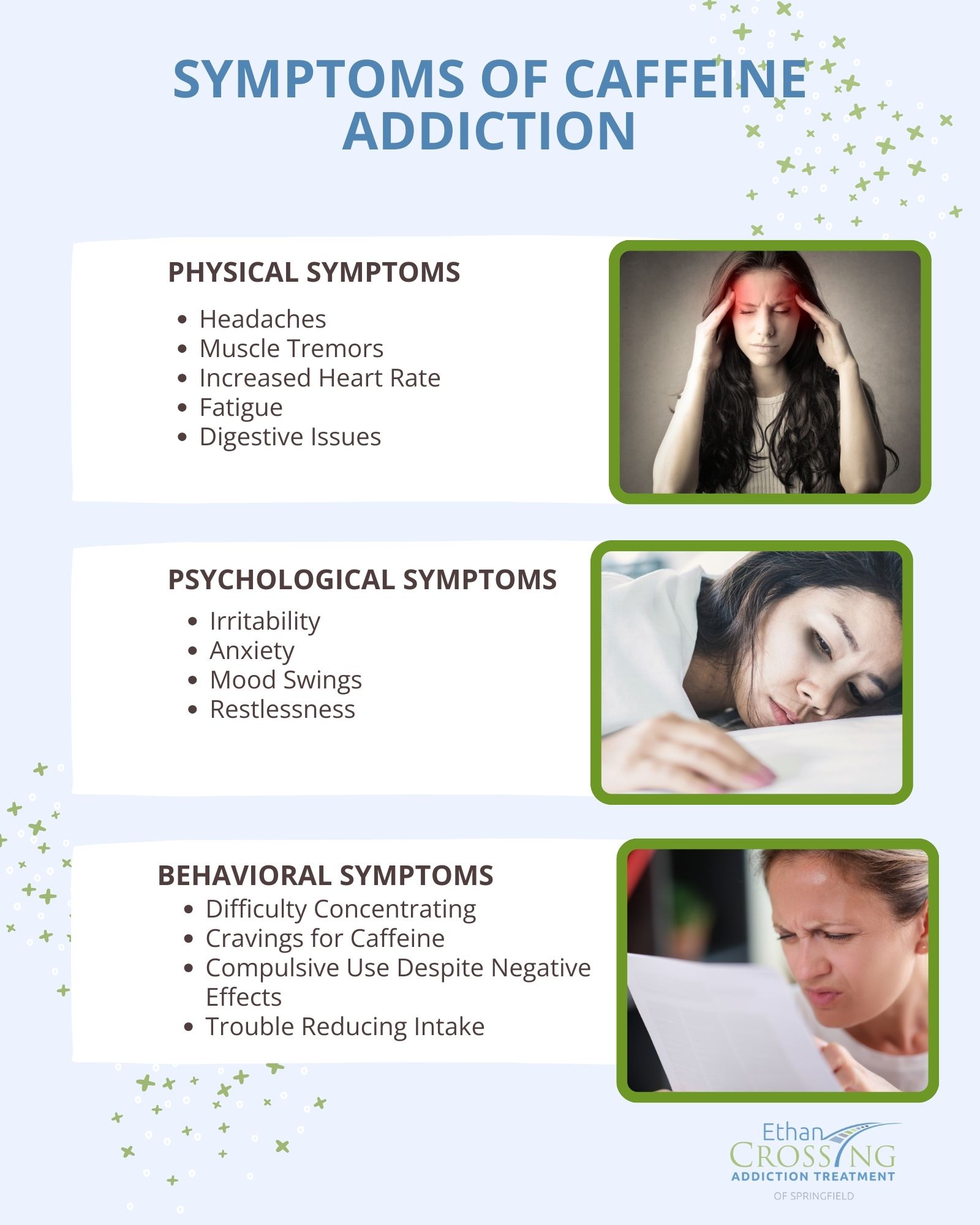
Physical symptoms of caffeine addiction are explained below:
- Headaches: Abrupt cessation or reduction of caffeine intake can lead to withdrawal headaches. These headaches typically develop within 12 to 24 hours after stopping caffeine consumption and last up to nine days. The pain is described as a diffuse, throbbing sensation.
- Muscle Tremors: High caffeine intake overstimulates the central nervous system, leading to involuntary muscle movements or tremors. These tremors are most commonly observed in the hands and are accompanied by restlessness and nervousness. Reducing caffeine consumption alleviates these symptoms.
- Increased Heart Rate: Caffeine acts as a stimulant, which causes an increase in heart rate, known as tachycardia. This effect is due to caffeine’s ability to block adenosine receptors, leading to heightened sympathetic nervous system activity. Individuals sensitive to caffeine experience palpitations or a noticeable increase in heart rate, even at lower doses.
- Fatigue: Paradoxically, while caffeine is consumed to combat fatigue, withdrawal from regular caffeine use results in increased tiredness or fatigue. This occurs because the body becomes accustomed to caffeine’s stimulatory effects, and their absence leads to feelings of lethargy. Fatigue is a common withdrawal symptom and impairs daily functioning.
- Digestive Issues: Caffeine stimulates the production of stomach acid, which leads to gastrointestinal discomfort. Symptoms include stomach upset, acid reflux, or nausea. In some individuals, excessive caffeine intake exacerbates conditions like gastritis or peptic ulcers.
Psychological symptoms of caffeine addiction are explained below:
- Irritability: Withdrawal from caffeine leads to mood disturbances, with irritability being a prominent symptom. Individuals find themselves becoming easily frustrated or agitated during periods of caffeine abstinence. This irritability is transient and resolves with time or resumption of caffeine intake.
- Anxiety: Caffeine increases the release of stress hormones like cortisol, which heightens feelings of anxiety. High doses or sensitivity to caffeine lead to nervousness, restlessness, and even panic attacks in susceptible individuals. Reducing or eliminating caffeine intake helps alleviate these anxiety symptoms.
- Mood Swings: Fluctuations in caffeine levels lead to rapid changes in mood. Individuals may experience periods of heightened alertness and euphoria followed by crashes characterised by fatigue and depression. These mood swings are challenging to manage and may affect daily interactions.
- Restlessness: Caffeine’s stimulant properties lead to restlessness, making it difficult for individuals to relax or remain still. This symptom is accompanied by a feeling of being “on edge” and interferes with tasks that require calm and focus. Restlessness is commonly reported with higher caffeine consumption.
Behavioral symptoms of caffeine addiction are explained below:
- Difficulty Concentrating: While caffeine is used to enhance focus, withdrawal lead to impaired cognitive function. Individuals may find it challenging to concentrate or complete tasks without their usual caffeine intake. This difficulty is a common withdrawal symptom and affects work or academic performance.
- Cravings for Caffeine: Regular caffeine users develop strong desires or cravings for caffeinated products. These cravings are intense and are driven by the body’s dependence on caffeine’s stimulatory effects. Cravings lead to continued consumption despite awareness of negative consequences.
- Compulsive Use Despite Negative Effects: Some individuals continue consuming caffeine even when it leads to adverse effects like insomnia, anxiety, or digestive issues. This compulsive use is indicative of dependence, where the individual feels unable to reduce intake despite harm. Recognising this pattern is crucial for addressing caffeine use disorder.
- Trouble Reducing Intake: Attempts to cut back on caffeine consumption may be unsuccessful due to withdrawal symptoms or cravings. Individuals find it challenging to decrease their intake without experiencing discomfort, leading to a cycle of dependence. Gradual reduction strategies are necessary to manage withdrawal effects effectively.
Why Does Caffeine Addiction Happen?
Caffeine addiction happens because caffeine stimulates the central nervous system, leading to increased alertness and energy by blocking adenosine, a neurotransmitter that promotes sleep and relaxation.
A study by Sergi Ferré in “An update on the mechanisms of the psychostimulant effects of caffeine” described caffeine as a psychostimulant with the same central nervous system effects as classical psychostimulants such as cocaine and amphetamine. Over time, the brain adapts by creating more adenosine receptors, making users feel more tired without caffeine and fueling a cycle of dependence.
Genetic factors also significantly influence caffeine addiction, with specific genes linked to caffeine metabolism, such as CYP1A2 and ADORA2A, accounting for up to a 30% increase in daily caffeine consumption, according to a study by Low JJ et al. 2024, titled “Genetic susceptibility to caffeine intake and metabolism: a systematic review.”
Reward-related genes like DRD2 and DAT1 further contribute to 2–5% of caffeine intake per allele effect. Certain genetic influences are also ethnicity-specific, which help in identifying groups more susceptible to caffeine dependence.
A study by Choi J. et al. 2020, titled “Motivations Influencing Caffeine Consumption Behaviors among College Students in Korea: Associations with Sleep Quality,” found that poor sleep and smoking are linked to higher caffeine intake, suggesting these lifestyle factors drive caffeine addiction. Smokers consume more coffee and have worse sleep than non-smokers, though caffeine and smoking together didn’t further impact sleep quality.
Why Is Caffeine Addictive?
Caffeine is addictive because it stimulates dopamine release in the brain, which reinforces pleasurable sensations and leads to cravings similar to those in other addictive substances.
Caffeine blocks adenosine receptors, reducing feelings of tiredness while simultaneously boosting dopamine activity, leading to increased alertness and mood elevation, according to “Caffeine for the Sustainment of Mental Task Performance: Formulations for Military Operations.”
The pharmacological effects of caffeine are similar to those of other methylxanthines (including those found in various teas and chocolates). These effects include mild CNS stimulation and wakefulness, the ability to sustain intellectual activity, and decreased reaction times.
Repeated caffeine use alters brain chemistry, causing physical dependence—the body adapts to regular caffeine intake, and without it, withdrawal symptoms like headaches and fatigue occur.
How Does Caffeine Dependence Develop?
Caffeine dependence develops as the brain adapts to regular caffeine intake by altering its reward system. Initially, occasional use of caffeine leads to increased alertness, but over time, the brain becomes tolerant, requiring more caffeine to achieve the same effects.
Caffeine tolerance occurs because the brain’s dopamine pathways adapt to frequent stimulation, reducing the receptors’ sensitivity to caffeine. As a result, regular caffeine consumption becomes necessary to maintain energy levels and avoid withdrawal symptoms like fatigue and headaches.
The neurobiological changes in the brain lead to physical dependence, making it difficult to stop caffeine use without experiencing uncomfortable symptoms. The addiction process is further fueled by the brain’s reinforcement system, which strengthens the desire to continue using caffeine.
What Are the Risk Factors for Caffeine Addiction?
The risk factors for caffeine addiction include genetics, age, and lifestyle factors. Genetic predispositions, such as specific genes involved in caffeine metabolism (e.g., CYP1A2), make some individuals more susceptible to developing caffeine dependence. Age is also a factor, as younger individuals, especially college students, are more likely to consume caffeine regularly due to lifestyle choices like studying and social activities.

The common risk factors for caffeine addiction are as follows:
- Genetic predisposition: Individuals with certain genetic traits, such as the CYP1A2 gene, metabolise caffeine more slowly, making them more likely to consume higher quantities regularly. This leads to caffeine addiction as their bodies become dependent on caffeine to feel alert.
- Age: Younger people, particularly college students, are more likely to consume large amounts of caffeine due to lifestyle choices. A study y by Kharaba Z et al. 2022, titled “Caffeine Consumption among Various University Students in the UAE, Exploring the Frequencies, Different Sources and Reporting Adverse Effects and Withdrawal Symptoms,” conducted on 500+ students in universities in UAE found that female students consume significantly more caffeine than males. On average, students consume 264 mg of caffeine daily, with about a third of students consuming over 400 mg per day. Coffee is the most popular source of caffeine (67.7%), followed by tea (47.3%). Many students drink caffeinated beverages with meals, and a significant portion (42.8%) believe it helps avoid acid reflux.
- Lifestyle and habits: People with high-stress lifestyles, such as those who work long hours or study intensively, turn to caffeine to maintain focus and productivity. High anxiety and stress levels correlate with increased caffeine intake, as analysed by Akova I et al. 2023, titled “The Relationship Between Caffeine Consumption and Depression, Anxiety, Stress Level and Sleep Quality in Medical Students,” with 73.1% of medical students report poor sleep quality, and as sleep quality worsens, their caffeine consumption increases.
How Long Does It Take to Get Addicted to Caffeine?
It takes about a few days to a few years of consistent caffeine consumption to get addicted to caffeine. Regular caffeine intake triggers tolerance and withdrawal symptoms in the body, gradually increasing the need for caffeine to achieve the same effects.
The timeframe for addiction varies widely depending on factors like consumption levels, individual genetics, and frequency of intake. For example, people consuming higher doses (e.g., >400 mg/day) develop dependency faster, potentially within a few weeks. On the other hand, lower intake takes months or longer for similar dependence to develop.
According to a study by D.P. Evatt et al. 2013, titled “Caffeine Dependence,” the participants who received high doses of caffeine (300 mg/70 kg per day) developed dependence and showed withdrawal symptoms after 9–12 days of continuous intake.
Reasons for variation in the time it takes to develop an addiction to caffeine include genetic predispositions to caffeine metabolism, as well as lifestyle factors such as stress and sleep quality, which influence the speed at which addiction takes hold.
What Are the Health Effects of Caffeine Addiction?
The health effects of caffeine addiction include anxiety, sleep disturbances, and digestive issues. Chronic use of caffeine disrupts the body’s natural processes, affecting both mental and physical health. Long-term consumption leads to a range of issues, such as heart problems, increased blood pressure, and bone density loss. While moderate caffeine intake is safe, excessive consumption significantly impacts overall well-being.

The health effects of caffeine addiction are as follows:
Short-Term Effects of Caffeine Addiction
The short-term effects of caffeine addiction include:
- Anxiety: Caffeine triggers restlessness and anxiety by stimulating the central nervous system, leading to heightened alertness, nervousness, and increased heart rate.
- Increased heart rate: Excessive caffeine intake causes the heart to beat faster, potentially leading to arrhythmias (irregular heartbeat). Large doses of caffeine cause cardiac rhythm disturbances, which are observed in both animal studies and human suicide attempts, as studied by Strubelt O, Diederich KW. et al. 1999, titled “Experimental treatment of the acute cardiovascular toxicity of caffeine.” People report experiencing palpitations after caffeine intake, especially those with pre-existing arrhythmias. Physicians commonly recommend that individuals with arrhythmias avoid caffeinated coffee due to its potential to exacerbate these issues.
- Sleep disturbances: Consuming caffeine late in the day affects sleep patterns, leading to insomnia or poor-quality rest. A study by Drake C et al. 2013 titled “Caffeine effects on sleep taken 0, 3, or 6 hours before going to bed” indicates that consuming 400 mg of caffeine, even up to 6 hours before bedtime, significantly disrupts sleep. Even at the 6-hour mark, caffeine intake reduced sleep duration by more than 1 hour. If this sleep disruption occurs over multiple nights, it could hurt daytime functioning and overall health.
Long-Term Health Effects of Caffeine Continued Use
The long-term effects of caffeine addiction on health are as follows:
- Heart problems: Overconsumption of caffeine increases the risk of cardiovascular issues, including heart disease and arrhythmias. Regular caffeine consumption (more than 400 milligrams of caffeine per day) disturbs the parasympathetic system, leading to elevated blood pressure and heart rates, increasing the risk of cardiovascular disease.
- Insomnia: Long-term caffeine use disrupts sleep quality, causing frequent awakenings, anxiety, and an irregular sleep-wake cycle, according to GoGnarly in “Do You Understand The Long Term Consequences Of Caffeine Use?” This leads to reduced restfulness and negatively impacts overall health, increasing the risk of insomnia and its related health consequences.
- Addiction and withdrawal: Long-term caffeine addiction results in dependency, with withdrawal symptoms such as headaches, fatigue, and irritability upon cessation.
- Weakened bone health: Long-term caffeine use negatively affects bone health by impairing calcium absorption, potentially leading to osteoporosis and weakened bones.
- Digestive issues: Long-term caffeine use leads to digestive problems such as acid reflux, heartburn, and aggravation of conditions like gastroesophageal reflux disease (GERD) and irritable bowel syndrome (IBS).
Physical Health Concerns
The physical health concerns of caffeine addiction are as follows:
- Increased blood pressure: Chronic caffeine use has been linked to high blood pressure, which increases the risk of heart disease and stroke. In hypertensive individuals, consuming 200-300 mg of caffeine led to an increase in blood pressure (BP), according to a study by Eumann MA et al. 2011, titled “The effect of coffee on blood pressure and cardiovascular disease in hypertensive individuals: a systematic review and meta-analysis.” On average, systolic BP rose by 8.1 mm Hg and diastolic BP by 5.7 mm Hg, with these effects occurring within the first hour and lasting for at least 3 hours.
- Digestive issues: Caffeine irritates the stomach lining, causing acid reflux or other digestive discomforts. Drinking coffee stimulates excess stomach acid production, which irritates the stomach lining and contributes to conditions like gastroesophageal reflux disease (GERD) and heartburn, according to a study by Nehlig A. et al. 2022, titled “Effects of Coffee on the Gastro-Intestinal Tract: A Narrative Review and Literature Update.” Over time, frequent coffee consumption worsens existing digestive conditions such as gastritis and irritable bowel syndrome (IBS). The acidity of coffee aggravates these issues, leading to discomfort for those with sensitive stomachs.
- Bone density loss: High caffeine intake has been shown to affect calcium absorption, potentially leading to osteoporosis or weakened bones. A study by Rapuri PB et al. 2001, titled “Caffeine intake increases the rate of bone loss in elderly women and interacts with vitamin D receptor genotypes,” suggested that caffeine reduces bone mineral density (BMD), increases the risk of hip fractures, and impairs calcium retention, which are factors that contribute to osteoporosis.
Mental Health Impacts
The mental health impacts of caffeine addiction are as follows:
- Anxiety: High caffeine levels are linked to increased anxiety, jitteriness, and nervousness, especially in sensitive individuals. Caffeine speeds up bodily functions, including heart rate, breathing rate, and body temperature. These effects mimic anxiety symptoms, making it difficult to recognise that they’re not anxiety.
- Dependence and Withdrawal: People who regularly consume caffeine become dependent on it for normal functioning. When caffeine levels drop, withdrawal symptoms such as headaches, irritability, and fatigue occur. The DSM-5 recognises caffeine withdrawal as a diagnosable condition.
Can Caffeine Addiction Cause Headaches or Depression?
Yes, caffeine addiction can cause both headaches and depression. Caffeine withdrawal is a well-documented phenomenon, and one of the most common symptoms is headaches. When caffeine is abruptly stopped or reduced, the body experiences a rebound effect due to the sudden lack of the stimulating substance, leading to vasodilation and tension in blood vessels in the brain, causing headaches.
Headaches caused by caffeine withdrawal begin within 12 to 24 hours after cessation of caffeine intake, according to a study by Sajadi-Ernazarova KR, Anderson J, Dhakal A, et al. 2023, titled “Caffeine Withdrawal.” The study also suggests that about 50% of individuals experience headaches during caffeine withdrawal, and approximately 13% report significant distress or functional impairment due to the headaches.
Chronic caffeine consumption disrupts sleep patterns and contributes to mood swings and depression. Once caffeine dependence is developed, individuals feel down or irritable when they don’t consume it, which exacerbates depressive symptoms.
What Is Caffeine Withdrawal?
Caffeine withdrawal is a group of symptoms that occur after reducing or stopping caffeine intake, experienced by individuals who have become dependent on caffeine. This withdrawal happens because regular caffeine consumption alters brain chemistry, specifically by blocking adenosine receptors that promote relaxation and sleep. When caffeine is no longer present, the brain is left with an excess of adenosine, leading to symptoms such as headaches, fatigue, irritability, and difficulty concentrating.
Caffeine withdrawal symptoms begin within 12 to 24 hours after ceasing caffeine consumption, with the peak occurring between 20 and 51 hours, according to the National Coffee Association The symptoms, which include headaches, fatigue, irritability, and difficulty concentrating, last anywhere from 2 to 9 days. The intensity and duration vary depending on the individual’s level of caffeine dependence and daily intake.
What Are the Symptoms of Caffeine Withdrawal?
The symptoms of caffeine withdrawal commonly include headaches, fatigue, and irritability. These arise as the body adjusts to the absence of caffeine, which has been used to stimulate the central nervous system and alter brain chemistry. As a result, individuals feel sluggish or unable to concentrate, and mood disturbances occur due to the lack of caffeine’s dopamine-boosting effects.
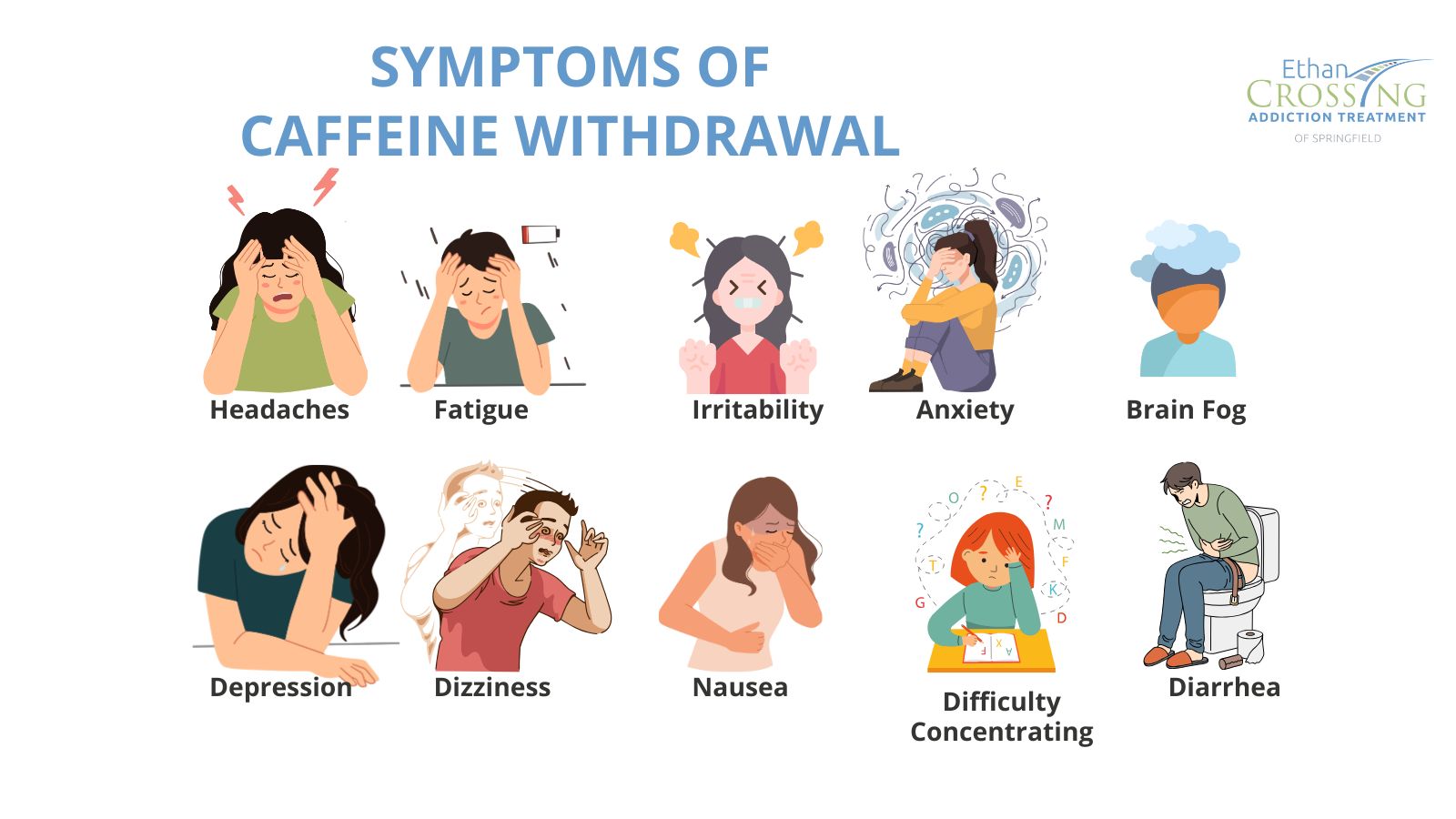
The symptoms of caffeine withdrawal are as explained below:
- Headaches: One of the most common symptoms of caffeine withdrawal is headaches. Caffeine causes blood vessels in the brain to constrict, reducing blood flow. When caffeine consumption is reduced or stopped, these blood vessels dilate, leading to increased blood flow and resulting in headache pain.
- Fatigue: Caffeine blocks adenosine receptors in the brain, which helps to reduce feelings of drowsiness. When caffeine intake is halted, adenosine’s effects are unmasked, leading to increased feelings of fatigue and tiredness. This makes individuals feel unusually lethargic during withdrawal.
- Irritability: Regular caffeine consumption influences mood-regulating neurotransmitters. Abrupt cessation can disrupt this balance, leading to heightened irritability. Individuals may find themselves more easily agitated or frustrated during withdrawal.
- Anxiety: Caffeine stimulates the central nervous system, and its sudden absence can lead to feelings of anxiety. This is due to the body’s adjustment to the lack of stimulant effects it has grown accustomed to. Symptoms include nervousness and restlessness.
- Brain Fog: Without caffeine’s stimulatory effects, some individuals experience mental cloudiness or “brain fog.” This manifests as slowed thinking, forgetfulness, and a general sense of cognitive dullness. Tasks that require concentration become more challenging.
- Depression: Caffeine affects dopamine production, a neurotransmitter linked to feelings of pleasure and motivation. Withdrawal leads to a temporary decrease in dopamine levels, resulting in feelings of sadness or depression. This mood change is typically short-lived but is distressing.
- Dizziness: Some individuals report feelings of dizziness or light-headedness during caffeine withdrawal. This is related to changes in blood flow and blood pressure as the body adjusts to the absence of caffeine. Ensuring adequate hydration can help mitigate this symptom.
- Nausea: Gastrointestinal discomfort, including nausea, occurs during withdrawal. The exact cause is not well understood but is related to caffeine’s effects on the digestive system. Symptoms usually subside within a few days.
- Difficulty Concentrating: Caffeine enhances focus and alertness by stimulating the central nervous system. Without it, individuals find it harder to concentrate or stay on task. This affects productivity and daily functioning.
- Diarrhea: While less common, some individuals experience changes in bowel movements, including diarrhoea, during withdrawal. Caffeine has a known laxative effect, and its absence alters gastrointestinal motility. This symptom is temporary.
According to a study by Laura M. Juliano and Roland R. Griffiths titled “A Critical Review of Caffeine Withdrawal: Empirical Validation of Symptoms and Signs, Incidence, Severity, and Associated Features,” published in Psychopharmacology (2004), approximately 50% of individuals experience headaches during caffeine withdrawal, and about 13% report clinically significant distress or functional impairment.
Can Caffeine Withdrawal Cause Hot Flashes in Men?
Yes, caffeine withdrawal can cause hot flashes in men. While hot flashes are more commonly associated with hormonal changes during menopause in women, research has shown that caffeine withdrawal causes symptoms like hot flashes or temperature fluctuations in both men and women.
Hot flashes occur because caffeine stimulates the central nervous system and affects the body’s thermoregulation. When caffeine is suddenly removed, the body struggles to adjust, leading to symptoms such as sweating, chills, or hot flashes. Though not all individuals experience this, the incidence of withdrawal symptoms varies based on the level of caffeine consumption and individual sensitivity.
Can Caffeine Withdrawal Cause Anxiety, Nausea, and Dizziness?
Yes, caffeine withdrawal can cause anxiety, nausea, and dizziness. Anxiety arises because caffeine has a stimulant effect on the brain, boosting dopamine and adrenaline. Without caffeine, individuals feel anxious or nervous.
Nausea and dizziness are also common withdrawal symptoms, as the body adjusts to the lack of the stimulant, according to a study by Sajadi-Ernazarova KR et al. 2023, titled “Caffeine Withdrawal.”
About 50% of people experience headaches and fatigue during caffeine withdrawal, and anxiety, nausea, and dizziness occur as part of these symptoms, according to research by the University of Maryland Medical System titled “Tired? Having Headaches? You Could Be Experiencing Caffeine Withdrawal.” These symptoms last for several days, with their intensity peaking within 24–48 hours of caffeine cessation.
How Long Do Caffeine Withdrawal Headaches Last?
Caffeine withdrawal headaches last between 2 to 9 days. According to a study by Sajadi-Ernazarova KR et al. 2023, titled “Caffeine Withdrawal, the duration of withdrawal headache varies depending on factors such as the individual’s caffeine consumption habits, the amount of caffeine regularly consumed, and sensitivity to withdrawal symptoms.
Most people experience the peak of their caffeine withdrawal headaches within 24 to 48 hours of stopping caffeine. For some, the headaches subside after a few days, while others experience discomfort for up to a week. Withdrawal symptoms like headaches are more severe for those who consume higher amounts of caffeine on a daily basis, and they take longer to resolve.
Is Caffeine Withdrawal Ever Dangerous?
No, caffeine withdrawal is not dangerous or life-threatening; it is intense for some people requiring medical supervision. Symptoms like severe headaches, fatigue, nausea, and mood changes are common but not dangerous in most cases. However, withdrawal is more challenging for individuals who consume high amounts of caffeine daily, as they experience intense physical and psychological symptoms.
In rare instances, caffeine withdrawal exacerbates existing health conditions, such as heart issues or anxiety disorders, potentially worsening symptoms like heart palpitations or panic attacks. If symptoms become unmanageable, persist beyond a week, or significantly disrupt daily life, it is advisable to seek medical support.
How Long Does Caffeine Withdrawal Last?
Caffeine withdrawal lasts 2 to 9 days, though the exact duration varies by individual. For most people, symptoms start within 12 to 24 hours of stopping caffeine, peak around 1 to 2 days, and then gradually ease over the next several days.
Those who consume large amounts of caffeine or have been using it for many years experience longer or more intense withdrawal symptoms. Factors like daily caffeine intake, individual sensitivity, and personal health all influence the duration and intensity of withdrawal.
How to Ease Headaches and Other Symptoms During Caffeine Withdrawal?
To ease headaches and other symptoms during caffeine withdrawal, start by focusing on hydration. Drinking plenty of water helps keep headaches at bay, as dehydration worsens symptoms.
Adequate sleep is also important, as it supports your body’s recovery and alleviates fatigue. Adjusting your diet during caffeine withdrawal helps, too—small, balanced meals with protein, fibre, and whole grains stabilize blood sugar, reducing irritability.
A study by Sibel Gunes-Bayir et al. titled “The Caffeine Dilemma: Unraveling the Intricate Relationship Between Caffeine Use Disorder, Caffeine Withdrawal Symptoms, and Mental Wellbeing in Adults,” published in Public Health Nutrition (2022), reported that approximately 35.9% of individuals experienced headaches as a symptom of caffeine withdrawal.
The best practice is to gradually reduce caffeine intake rather than quitting abruptly, as tapering helps your body adjust more smoothly. Light exercise, like walking or stretching, boosts mood and relieves stress, while over-the-counter pain relievers offer temporary relief for headaches if needed. These steps make withdrawal symptoms more manageable, helping you feel better sooner.
How to Avoid Caffeine Withdrawal Symptoms?
To avoid caffeine withdrawal symptoms, it’s best to reduce caffeine intake gradually rather than quitting abruptly. Start by cutting back a small amount each day or replacing one caffeinated beverage with a non-caffeinated alternative. This slow tapering approach gives your body time to adjust to lower caffeine levels, minimizing withdrawal symptoms like headaches and irritability.
Balanced nutrition also plays an important role in avoiding caffeine withdrawal symptoms; eating regular, nutrient-dense meals helps maintain stable blood sugar levels, which reduce symptoms like fatigue and mood swings. Staying hydrated is equally important since water helps counteract caffeine’s dehydrating effects and ease symptoms. Ensuring quality sleep supports the body’s recovery process, helping to prevent fatigue and other common withdrawal symptoms.
How to Treat Caffeine Addiction?
To treat caffeine addiction, gradual reduction of caffeine intake, behavioural therapy, individual counselling, and support groups are commonly used. Medical treatments, healthy lifestyle adoption, nutrition balancing, and alternative therapies also play an important role in managing addiction.
Ways to treat caffeine addiction are explained below:
- Gradual Decrease of Caffeine Intake: Gradually decreasing caffeine intake is one of the most effective methods to minimise withdrawal symptoms. This process, known as “tapering,” involves slowly reducing the amount of caffeine consumed each day rather than quitting abruptly. Tapering gives the body time to adjust to the reduced intake, which helps lessen withdrawal symptoms like headaches and fatigue.
- Behavioural Therapy: Behavioral therapy, such as Cognitive Behavioral Therapy (CBT), focuses on changing thought patterns and behaviours associated with addiction. By identifying triggers and developing coping mechanisms, behavioural therapy helps people reduce their dependence on caffeine. According to Healthline, in their section on “Behavioral Therapy,” approximately 75% of individuals undergoing cognitive behavioural therapy (CBT) report experiencing benefits from the treatment, including caffeine.
- Individual Counseling and Support Groups: Counseling and support groups provide a supportive environment where individuals discuss their challenges with addiction and develop strategies for recovery. Individual counselling offers personalised guidance, while support groups encourage a sense of community and shared experience. Individuals who participate in support groups reduce their chance of relapse anywhere from 7% to 25%, according to a study by Tracy K Wallace SP. et al. 2016, titled “Benefits of peer support groups in the treatment of addiction.”
- Medical Treatments: Medical treatment for addiction usually involves medications that target withdrawal symptoms. While specific medications for caffeine addiction are limited, some doctors recommend mild stimulants or antidepressants to help manage withdrawal symptoms. Painkillers for headaches are also prescribed during the withdrawal period.
- Healthy Lifestyle Adoption: A healthy lifestyle is instrumental in overcoming caffeine addiction by promoting natural energy levels and reducing the body’s reliance on stimulants. These healthy lifestyles include Good sleep, which reduces the need for caffeine. Exercise and regular physical activity to boost energy levels naturally, and staying hydrated to help with symptoms like fatigue and headaches.
- Nutrition Balancing: Balanced nutrition supports the body’s energy levels and reduces caffeine cravings. A nutrient-rich diet aids detox and supports overall mental and physical resilience against withdrawal symptoms.
- Alternative Therapies: Alternative therapies like mindfulness and yoga help manage the physical and psychological symptoms of caffeine withdrawal. Yoga is a holistic practice that combines physical, mental, and spiritual practices. According to a study by McCall T et al., 2007, “Yoga as Medicine,” yoga increases blood flow and levels of haemoglobin and red blood cells, which allows more oxygen to reach the body’s cells, enhancing their function. Practices like meditation reduce stress and anxiety, while yoga promotes relaxation and energy balance, reducing dependence on caffeine for alertness.
Is There a Rehab For Caffeine Addiction?
No, there are no rehab centres for caffeine addiction alone, as caffeine dependence is not seen as severe as other substance addictions. Caffeine addiction lacks the physical and social consequences that accompany drugs like opioids or alcohol, so specialised treatment facilities for it are uncommon.
However, some rehab centres admit individuals with caffeine addiction if they also struggle with other substance abuse or mental health issues. In these cases, the person’s caffeine dependency is addressed alongside other treatments, using therapeutic approaches like cognitive-behavioural therapy (CBT) or counselling to help manage and reduce caffeine intake.
Is It Safe to Quit Caffeine Cold Turkey?
No, it is not safe to quit caffeine cold turkey. Abrupt cessation of caffeine leads to significant withdrawal symptoms, such as headaches, fatigue, irritability, and difficulty concentrating. In some cases, it also exacerbates anxiety or even causes depression.
A safer alternative is to reduce caffeine intake gradually over time. This allows the body to adjust slowly, minimising withdrawal symptoms.
Reducing caffeine by 25% every few days is an effective strategy that many health professionals recommend, according to a study by Behling M et al. 2021 titled “Methods to Stop Caffeine Use and Minimize Caffeine Withdrawal Methods to Stop Caffeine Use and Minimize Caffeine Withdrawal Symptoms in the State of Caffeine Dependence: A Literature Review Symptoms in the State of Caffeine Dependence: A Literature Review.”
This gradual reduction gives the body time to reset its internal balance without causing a dramatic shock to the system.
How to Safely Flush Out Caffeine from Your System?
To safely flush caffeine out of your system, the most effective methods include hydration, exercise, and allowing time for the body to metabolise and expel the substance naturally. Drinking plenty of water helps dilute caffeine in your bloodstream, while exercise stimulates the metabolism, speeding up the process. Sleep is also important, as the body’s natural detoxification processes work best during rest.
Other helpful strategies include eating fibre-rich foods to support digestion and gradually reducing caffeine intake to avoid intense withdrawal symptoms. Depending on individual factors like metabolism, age, and sensitivity, it takes a couple of to a week for caffeine to leave your system.
How Long Does it Take to Recover from Caffeine Addiction?
It takes about 2-9 days to recover from caffeine addiction. This recovery time varies depending on how much caffeine a person consumes and how long they’ve been dependent on it.
The severity of withdrawal symptoms varies, but many individuals experience relief after a week. However, factors like overall health, metabolism, and the level of caffeine consumption before quitting influence the duration of recovery. Individuals with higher consumption levels or those with a slower metabolism take longer to recover fully.
How to Prevent Caffeine Addiction?
To prevent caffeine addiction, it is important to limit caffeine intake, adopt alternative energy habits, and monitor your consumption levels to recognise early signs of dependence. The key is moderation and developing healthier habits to maintain energy and focus throughout the day without relying heavily on caffeine.

Ways to prevent caffeine addiction are explained below:
- Limit caffeine intake: Keep daily consumption within safe limits (usually around 350 mg/day or less). Avoid excessive intake, especially if you’re consuming multiple cups of coffee, energy drinks, or other caffeine-rich products.
- Adopt alternative habits for energy: Develop healthy lifestyle habits like exercise, balanced nutrition, and adequate sleep to boost energy without caffeine. This helps maintain stable energy levels throughout the day.
- Monitor consumption for early warning signs: Pay attention to developing dependence behaviours such as needing caffeine to function, experiencing headaches or irritability when caffeine intake is reduced, or relying on it to stay awake. Recognising these symptoms early helps prevent addiction.
How Addictive is Caffeine Compared to Other Drugs and Substances?
Caffeine is moderately addictive compared to other drugs and substances because it stimulates the release of dopamine, creating a temporary feeling of alertness and pleasure. The degree of addiction varies based on the individual, but caffeine results in physical dependence rather than the severe psychological and physical dependencies that other drugs might cause. While caffeine withdrawal symptoms such as headaches and fatigue are unpleasant, they are short-lived and not as severe as withdrawal from drugs like nicotine or cocaine.
Here is how addictive caffeine is compared to other drugs and substances:
- Nicotine: Nicotine is much more addictive than caffeine. The National Institute on Drug Abuse (NIDA) in “Is nicotine addictive?” shows that nicotine is highly addictive, with 32% of smokers developing dependence, compared to caffeine, which leads to dependence in about 9% of users. Nicotine affects the brain’s reward system much more strongly and has higher relapse rates.
- Cocaine: Cocaine is way more addictive than caffeine. Cocaine produces intense euphoria and a much stronger physiological dependency, with around 42.2 million people in the U.S. having used cocaine at least once in their lifetime, according to Statista. Caffeine addiction withdrawal is milder and short-lived, whereas cocaine addiction withdrawal causes severe psychological and physical symptoms.
- Marijuana: Caffeine is considered less addictive than marijuana. About 10% of people who begin smoking cannabis will become addicted, and 30% of current users meet the criteria for addiction, according to the National Institute for Drug Abuse. Marijuana leads to dependence and intense withdrawal, while caffeine withdrawal symptoms tend to be less intense. Marijuana’s psychological dependence is more prolonged, whereas caffeine dependency is mainly physical.
- Alcohol: Alcohol tends to be more addictive than caffeine, particularly due to its impact on the central nervous system and its potential for creating both physical and psychological dependence. In 2019, an estimated 400 million people aged 15 and older had an AUD, and 209 million had alcohol dependence, according to the World Health Organization (WHO). Caffeine, on the other hand, usually results in physical dependence with more manageable withdrawal symptoms.
Are Caffeine Supplements, Pills, or Vapes Addictive?
Yes, caffeine supplements, pills, and vapes are addictive. Just like caffeine in coffee or tea, these forms of caffeine lead to dependence due to their stimulating effects on the brain’s reward system. The body becomes accustomed to regular caffeine intake, resulting in physical dependence.
Withdrawal symptoms such as headaches, fatigue, and irritability occur if caffeine supplements, pills, or vape use is reduced suddenly. However, the risk of addiction varies depending on the amount and frequency of use.
Are There any Quizzes to Know if I Am Addicted to Caffeine?
Yes, there are online quizzes and self-assessment tools available to help determine if you are addicted to caffeine. These quizzes ask questions about your caffeine consumption habits, withdrawal symptoms, and whether caffeine impacts your daily life.
A well-known tool is the Caffeine Dependence Questionnaire (CDQ), which researchers designed to assess caffeine-related issues. These tools provide insight into how caffeine consumption affects physical and mental health.
It’s important to note that while quizzes are useful for self-reflection, they do not replace professional medical advice. If you’re concerned about your caffeine intake, it’s always best to consult with a healthcare provider.
What is The Difference Between Caffeine Addiction and Nicotine Addiction?
The difference between caffeine addiction and nicotine addiction lies in their addictive potential, health risks, and societal perceptions. Nicotine is widely recognised as highly addictive, with a substantial proportion of users developing dependence. In contrast, while caffeine leads to dependence, its addictive potential is generally considered lower.
According to the National Institute on Drug Abuse, approximately 32% of individuals who try nicotine become dependent on it. In contrast, caffeine has a lower dependence potential, with about 9% of users developing dependence.
Health risks associated with nicotine use, particularly through smoking, include cardiovascular disease, respiratory issues, and various cancers. Caffeine consumption, even in moderate amounts, leads to increased heart rate, anxiety, and sleep disturbances, but it is not linked to the severe health consequences associated with nicotine use.
Societally, nicotine products, especially cigarettes, are subject to strict regulations and public health campaigns due to their well-documented health risks. Caffeine, found in beverages like coffee and tea, is socially accepted and widely consumed, with minimal regulation. This disparity reflects differing societal perceptions of the risks associated with each substance.
What is The Difference Between Caffeine Addiction and Amphetamine Addiction?
The difference between caffeine addiction and amphetamine addiction lies in their addictive potential, health risks, and societal impacts. Caffeine, commonly found in beverages like coffee and tea, is widely consumed and generally considered safe in moderate amounts. While regular caffeine intake leads to dependence, characterised by withdrawal symptoms such as headaches and fatigue upon cessation, its addictive potential is relatively low.
In contrast, amphetamines, which include prescription medications like Adderall and illicit substances such as methamphetamine, have a high potential for abuse and dependence. The National Institute on Drug Abuse (NIDA) classifies amphetamines as Schedule II controlled substances, indicating a high potential for abuse and dependence. Health risks associated with amphetamine addiction are severe and can include cardiovascular complications, neurological damage, and mental health disorders.