





Benzodiazepine addiction refers to the compulsive use of these medications, which are prescribed for anxiety, insomnia, and other related disorders. Between 20% and 100% of individuals who use benzodiazepines for an extended period develop physical dependence, according to a study published in Wikipedia in 2025 titled “Benzodiazepine dependence.”
The main signs and symptoms of benzodiazepine addiction include increased tolerance, where users need higher doses to achieve the same effects, and withdrawal symptoms when not using the drug, such as anxiety, irritability, and insomnia. Other indicators include neglecting responsibilities, social withdrawal, and continued use despite harmful effects on health and relationships.
The effects of benzodiazepine addiction are significant and include memory impairment, cognitive deficits, and mood disturbances. Long-term use also leads to physical health issues and increased risk of overdose, especially when combined with other substances like alcohol.
Some of the most addictive types of benzodiazepines include Alprazolam (Xanax), which saw 49 million prescriptions written in 2012, per a study by DrugAbuse, published in 2024 titled “Xanax Facts, History, and Statistics | Dangers and Legality”, Diazepam (Valium), and Lorazepam (Ativan). These medications are known for their potential to cause dependence quickly.
Treatment options for benzodiazepine addiction typically involve a combination of medical detoxification, therapy, and support groups. Behavioral therapies help address the underlying issues related to addiction, while gradual tapering of the drug minimizes withdrawal symptoms and promotes recovery.
What Is Benzodiazepine Addiction?
Benzodiazepine addiction is the compulsive use of benzodiazepines, a class of medications commonly prescribed for anxiety, insomnia, and other related disorders. These drugs work by enhancing the effects of the neurotransmitter gamma-aminobutyric acid (GABA) in the brain, leading to sedative and anxiolytic effects. While benzodiazepines are effective for short-term treatment, long-term use results in tolerance, dependence, and addiction, with withdrawal symptoms that are severe and potentially life-threatening. Research by Wikipedia in 2025 titled “Benzodiazepine dependence” indicates that between 20% and 100% of individuals who use benzodiazepines long-term develop physical dependence.

In the United States, benzodiazepine addiction is a growing concern, with approximately 12.6% of adults reporting past-year use of these medications, and about 2.2% admitting to misuse, as indicated in a 2019 study by Donovan T., et al published in Psychiatric Services titled “Benzodiazepine Use and Misuse Among Adults in the United States.” In Ohio, the prevalence mirrors national trends, with benzodiazepines being one of the most commonly abused classes of prescription drugs. A significant portion of individuals who misuse benzodiazepines also have a history of substance use disorders, particularly involving opioids.
What Are Benzodiazepines?
Benzodiazepines are a class of medications that act as central nervous system depressants, primarily used to treat conditions such as anxiety disorders, insomnia, muscle spasms, and seizures. They work by enhancing the effects of the neurotransmitter gamma-aminobutyric acid (GABA) at the GABAA receptor, leading to a calming effect on the brain and nervous system. This results in various effects, including sedation, anxiolysis (reduction of anxiety), muscle relaxation, and anticonvulsant properties. Commonly prescribed benzodiazepines include Alprazolam (Xanax), Diazepam (Valium), Lorazepam (Ativan), and Clonazepam (Klonopin).
Benzodiazepines are administered through various methods, including oral tablets, intravenous injections, and intramuscular injections. The most common method is oral ingestion, where patients take the medication in pill form. Due to their rapid onset of action, benzodiazepines are used in emergency settings to manage acute anxiety or seizure episodes.
A report by the Alcohol and Drug Foundation in 2025 titled “What are Benzodiazepines?” shows that between 2015 and 2021, Australia recorded 40 overdose deaths involving novel benzodiazepines, with a significant surge in fatalities—from just 1 death in 2018 to 28 in 2020—illustrating the growing dangers associated with these substances.
What Are the Signs and Symptoms of Benzodiazepine Addiction?
The symptoms of benzodiazepine addiction manifest physically, psychologically, and behaviorally. Individuals experience a range of signs, including increased tolerance to the drug, withdrawal symptoms when not using, and a persistent desire to cut down despite negative consequences.
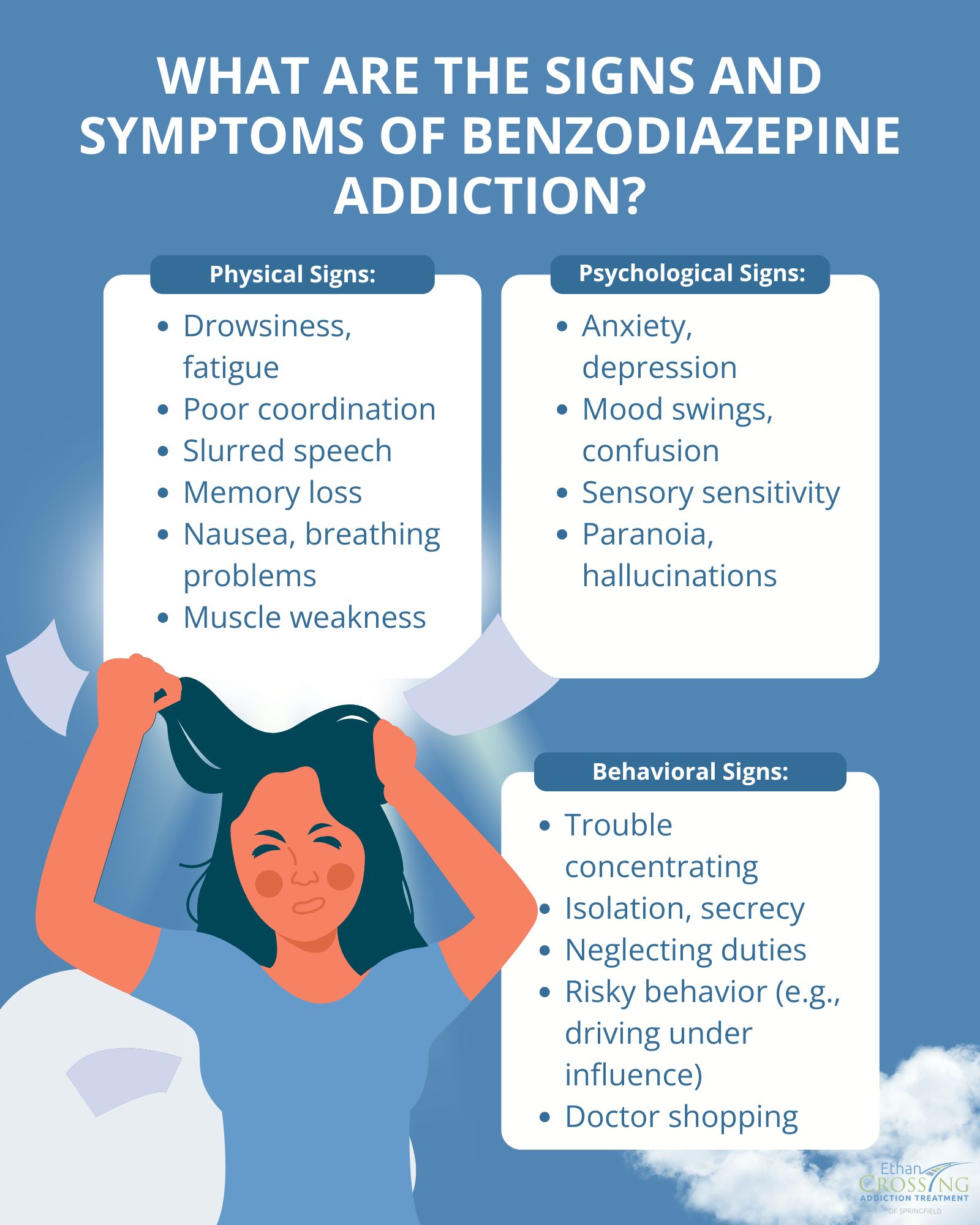
The signs and symptoms of benzodiazepine addiction are explained below:
Physical Signs of Benzodiazepine Addiction
Physical signs of benzodiazepine addiction refer to observable bodily effects resulting from prolonged use or dependence on these drugs. Individuals exhibit symptoms that affect their overall health and functioning, leading to noticeable changes in their physical state.
The physical symptoms of benzodiazepine addiction are listed below:
- Drowsiness and fatigue: Individuals feel excessively sleepy or lethargic, even after a full night’s rest. This interferes with daily activities and decreases overall productivity.
- Impaired coordination and balance: Benzodiazepines affect motor skills, leading to clumsiness or difficulty maintaining physical balance. This increases the risk of falls and accidents.
- Slurred speech: Users might exhibit noticeable speech difficulties, such as slow or unclear articulation. This is a sign of central nervous system depression affecting cognitive functions.
- Memory lapses or amnesia: Prolonged use of BZD leads to gaps in memory, making it difficult for individuals to recall events or information. This cognitive impairment impacts personal and professional relationships. 90% of women given 10 mg of diazepam, a type of benzodiazepine, intravenously experienced impaired recognition memory, according to a study by Kameron K. et al. published in Frontiers in Pharmacology titled “Benzodiazepine-induced anterograde amnesia: detrimental side effect to novel study tool.”
- Nausea and gastrointestinal issues: Users experience persistent nausea, vomiting, or changes in appetite. These symptoms contribute to further health complications if left unaddressed.
- Respiratory difficulties: Benzodiazepines depress respiratory function, leading to shallow breathing or shortness of breath. This is particularly dangerous when combined with other depressants like alcohol. The study published by Taylor and Francis Online in 2014 titled “Do benzodiazepines contribute to respiratory problems?” indicated a 54% increased risk of pneumonia and a 32% increased risk of all-cause mortality related to benzodiazepine use. It also found that benzo users reported a 45% increased risk of outpatient respiratory exacerbations and a 92% increased risk of emergency room visits for COPD or pneumonia.
- Muscle weakness: Individuals notice decreased muscle strength, leading to fatigue and difficulty performing physical tasks. This affects their ability to engage in regular activities or exercise.
Psychological Signs of Benzodiazepine Addiction
Psychological signs of benzodiazepine addiction involve mental and emotional changes that occur due to the drug’s impact on brain function. These symptoms significantly affect an individual’s mood, cognition, and overall mental health.
The psychological symptoms of benzodiazepine addiction are listed below:
- Increased anxiety or depression: Paradoxically, while benzodiazepines are prescribed to alleviate anxiety, long-term use exacerbates these conditions. Users find themselves feeling more anxious or depressed as the drug’s effects wear off. In a study of older veterans published by the Journal of Geriatric Psychiatry and Neurology in 2015 titled “The Association between Benzodiazepine Use and Depression Outcomes in Older Veterans”, it was found that benzodiazepine use did not significantly improve depressive symptoms or adherence to antidepressant treatment, with an odds ratio of 0.86 for any improvement and 1.53 for a 50% reduction in symptoms. This suggests that reliance on benzodiazepines leads to worse mental health outcomes over time, contrary to their intended purpose.
- Mood swings and irritability: Individuals experience sudden and intense changes in mood, leading to frustration or anger. This strains relationships and disrupts social interactions.
- Confusion and cognitive impairment: Prolonged use of benzodiazepines impairs critical thinking and decision-making abilities. Users struggle to focus or process information, impacting their daily functioning. A systematic review published in Frontiers in Psychiatry in 2020 titled “The Effects of Benzodiazepine Use and Abuse on Cognition in the Elders” found that elderly BZD users exhibited significantly lower processing speed, as indicated by digital symbol test scores (SMD: -0.61). Furthermore, while regular BZD users did not show significant impairments in global cognition (MMSE scores), those who abused BZDs had notably lower MMSE scores (SMD: -0.23), suggesting that cognitive deficits worsen with abuse.
- Heightened sensitivity to sensory stimuli: Some individuals become overly sensitive to light, sound, or touch, leading to discomfort. This heightened sensitivity results in increased anxiety and avoidance of social situations.
- Paranoia or hallucinations: In severe cases, users experience distorted perceptions of reality, leading to feelings of paranoia or visual/auditory hallucinations. This significantly impairs their ability to function normally.
Behavioral Signs of Benzodiazepine Addiction
Behavioral signs of benzodiazepine addiction encompass changes in an individual’s actions and habits, reflecting a preoccupation with obtaining and using the drug. These behaviors lead to disruptions in personal and professional life.
The behavioral signs of benzodiazepine addiction include:
- Difficulty concentrating: Benzodiazepine use hinders attention span and focus, making it challenging to complete tasks or engage in conversations. This cognitive fog affects both personal and work life.
- Feelings of isolation or detachment: Individuals feel disconnected from their surroundings or relationships, contributing to loneliness. This emotional distance leads to further reliance on the drug for comfort.
- Increased secrecy or withdrawal from social activities: Users become more secretive about their drug use and withdraw from friends or family. This isolation deepens their dependence on the drug.
- Neglecting responsibilities at work or home: Individuals struggle to fulfill obligations, leading to poor work performance or issues in personal relationships. This neglect stems from prioritizing drug use over responsibilities.
- Engaging in risky behaviors, such as driving under the influence: Users take dangerous risks, such as driving while impaired, which endanger themselves and others. This behavior indicates a lack of concern for safety and well-being.
- Seeking multiple prescriptions from different doctors (doctor shopping): To maintain access to benzodiazepines, individuals visit several healthcare providers. This behavior reflects a growing need for the drug and a willingness to deceive. A study by Vincent P., et al. published in CNS Drugs in 2010 titled “Assessment of abuse potential of benzodiazepines from a prescription database using ‘doctor shopping’ as an indicator” revealed that doctor shopping is a significant factor in the diversion of benzodiazepines, with the abuse potential varying by drug type; for example, flunitrazepam had a doctor shopping indicator (DSI) of 42.8%, highlighting its high abuse potential.
- Frequent changes in social circles or friends: Users might distance themselves from previous friends while seeking out new acquaintances who use drugs. This shift could be a sign of prioritizing drug use over meaningful connections.
- Spending excessive time obtaining or using the drug: Individuals dedicate significant time to acquiring and using benzodiazepines at the expense of other activities. This obsession indicates a growing dependence on the substance.
- Lying about drug use or hiding medications: Users conceal their drug use from loved ones or lie about their consumption. This dishonesty further alienates them from supportive relationships and escalates their addiction.
What Are the Causes Of Benzodiazepine Addiction?
The causes of benzodiazepine addiction include self-medication, mental health conditions, history of substance abuse, psychological factors, environmental factors, and other contributing elements.
The causes of benzodiazepine addiction are listed below:
- Self-Medication: People use benzodiazepines to manage anxiety, stress, or insomnia without medical guidance. This leads to increased tolerance and dependency as they rely on the drug for relief.
- Mental Health Conditions: Disorders like anxiety, depression, and PTSD drive individuals to misuse benzodiazepines prescribed to alleviate their symptoms, increasing the risk of addiction.
- History of Substance Abuse: Those with prior substance use disorders are more vulnerable to developing an addiction to benzodiazepines. Past behaviors influence current drug-seeking patterns. 30% of young, low-income women in Texas misused prescription drugs
- Psychological Factors: Traits such as impulsivity, low self-esteem, and high levels of stress predispose individuals to substance misuse, making them more likely to develop an addiction to benzodiazepines.
- Environmental Factors: Social influences, including peer pressure and the normalization of drug use in one’s environment, contribute to the likelihood of benzodiazepine addiction.
- Pharmacological Properties: The addictive nature of benzodiazepines, which enhance GABA activity in the brain, leads to physical dependence and increased dosage over time, further entrenching addiction. 10-20% of people prescribed benzodiazepines develop dependence after prolonged use, according to research by Science Direct titled “Benzodiazepine Dependence.”
- Co-prescription with Other Drugs: The concurrent use of benzodiazepines with opioids or other sedatives significantly raises the risk of dependence and overdose, complicating treatment and recovery. A 2022 study published by the NIH titled “Benzodiazepines and Opioids” stated that nearly 14% of opioid overdose deaths in 2021 also involved benzodiazepines. The study emphasizes the necessity for caution in co-prescribing these medications, as patients receiving both have a 10-fold higher overdose death rate.
- Stressful Life Events: Major life changes or traumatic experiences lead individuals to seek comfort in benzodiazepines, forming a pattern of use that evolves into addiction.
What Are the Effects of Benzodiazepine Addiction?
The effects of benzodiazepine addiction are both short-term and long-term. The short-term effects lead to immediate relief from anxiety or insomnia, but they also result in significant impairment of cognitive functions and increased risk of accidents. Long-term effects are even more severe, leading to chronic health issues and psychological dependence.
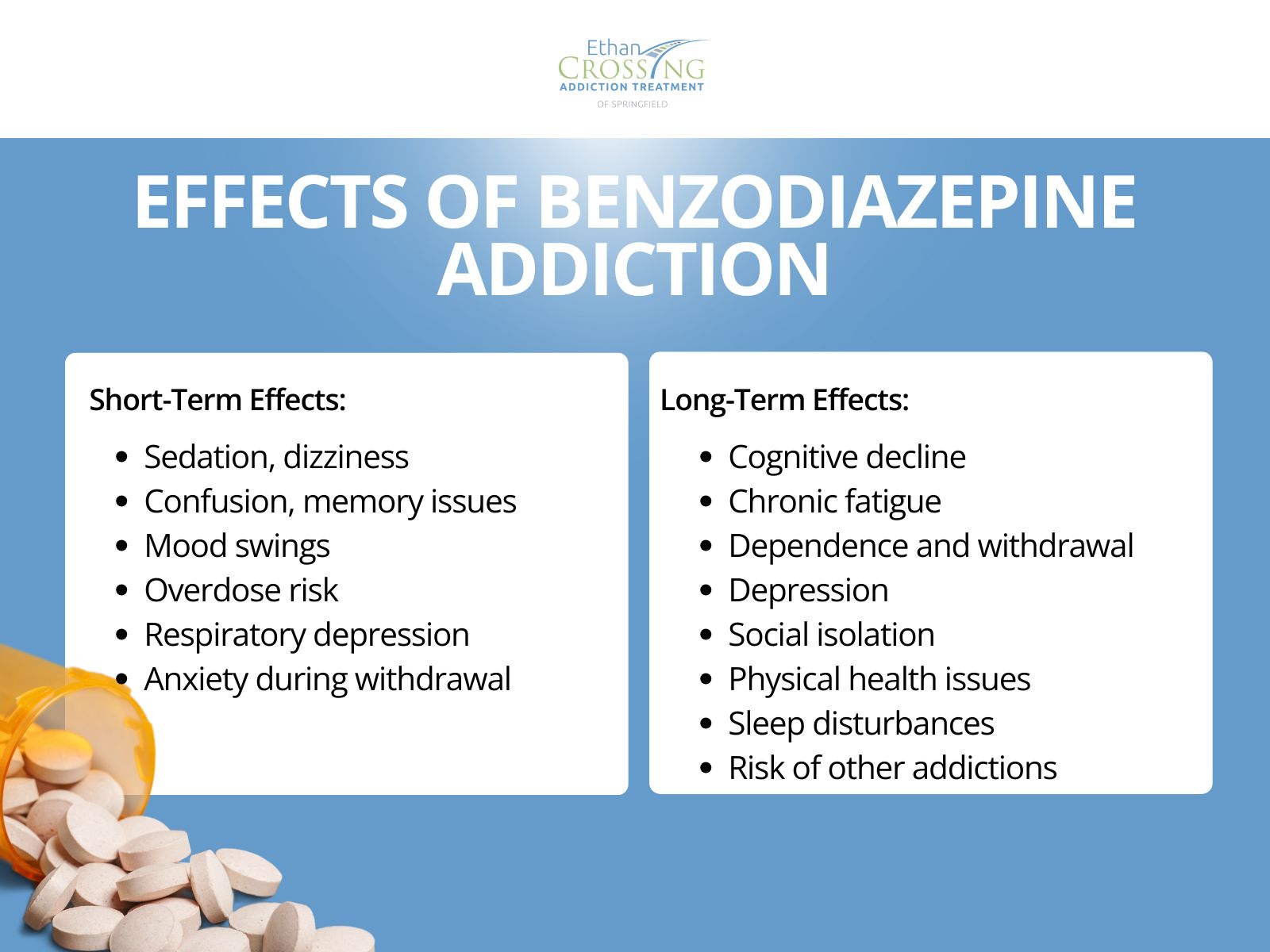
The effects of benzodiazepine addiction are explained below:
Short-Term Effects of Benzodiazepine Addiction
Short-term effects involve sedation and relaxation, but they also include confusion and impaired coordination, which is quite serious. Individuals experience heightened anxiety during withdrawal or when the medication wears off. Common short-term effects include:
- Drowsiness: Benzodiazepines are primarily prescribed for their sedative effects, which lead to excessive drowsiness. This impairs a person’s ability to perform everyday tasks, such as driving or operating machinery, increasing the risk of accidents. While drowsiness might initially seem beneficial for those struggling with insomnia or anxiety, it quickly becomes a liability, affecting productivity and overall safety.
- Dizziness: Many individuals experience dizziness as a side effect of benzodiazepine use. This sensation leads to unsteadiness and falls, particularly in older adults, who are already at increased risk for such incidents. Dizziness also contributes to feelings of disorientation, making it challenging for individuals to navigate their environment confidently.
- Confusion: Cognitive impairment is a common short-term effect, with users reporting confusion or difficulty concentrating. This affects decision-making and problem-solving abilities, leading to frustration and helplessness. Over time, these cognitive effects impact personal relationships and work performance, further complicating the individual’s situation.
- Impaired Coordination: Benzodiazepines significantly affect motor skills, leading to impaired coordination. This manifests as clumsiness or difficulty in performing tasks that require fine motor skills, such as typing or cooking. Impaired coordination not only poses risks in daily life but also leads to more severe injuries due to falls or accidents.
- Memory Loss: One of the notable short-term effects is anterograde amnesia, where users find it difficult to form new memories while under the influence of benzodiazepines. This leads to gaps in memory for events that occur while the drug is active in the system, creating challenges in personal relationships and daily functioning.
- Slurred Speech: Users experience slurred speech, which is mistaken for intoxication from other substances. This effect leads to social stigma and misunderstandings, further isolating the individual. Slurred speech not only affects communication but is also indicative of cognitive decline due to prolonged use.
- Mood Swings: Benzodiazepine use leads to significant mood fluctuations, causing irritability or emotional instability. Users find themselves feeling euphoric one moment and deeply depressed the next. Such mood swings strain relationships and disrupt social interactions, contributing to a cycle of isolation. These symptoms appear anywhere from 3 – 4 days to 2 weeks after cessation, depending on the specific benzodiazepine used, per research by Zilpah S. et al. published in WebMD in 2024 titled “Benzodiazepine Abuse.”
- Risk of Overdose: The potential for overdose is a serious concern with benzodiazepine use, particularly when combined with other depressants such as alcohol or opioids. Overdose leads to respiratory failure, coma, and even death. Awareness of this risk is crucial for both users and healthcare providers to prevent fatal outcomes. A 2022 study published by the NIH, titled “Benzodiazepines and Opioids,” revealed that nearly 14% of opioid overdose deaths in 2021 also involved benzodiazepines. The study highlights the critical need for caution when co-prescribing these medications, noting that patients taking both have a tenfold increased risk of overdose death.
- Respiratory Depression: Benzodiazepines depress the central nervous system, leading to reduced respiratory function. This effect is particularly dangerous for those with pre-existing respiratory conditions, as it exacerbates breathing difficulties and leads to life-threatening situations if not monitored closely.
- Increased Anxiety: While benzodiazepines are used to alleviate anxiety, their short-term use leads to heightened anxiety during withdrawal or as the medication wears off. This creates a vicious cycle where the user feels compelled to take more benzodiazepines to manage the anxiety that the drug itself has exacerbated.
Long-Term Effects of Benzodiazepine Addiction
Long-term effects manifest as persistent cognitive decline and emotional instability, significantly affecting daily functioning and quality of life. These effects lead to complex health issues, including a heightened risk for mental health disorders and physical health complications. Notable long-term effects include:
- Cognitive Impairment: Long-term benzodiazepine use is associated with significant cognitive decline, affecting memory, attention, and executive function. Users find it increasingly difficult to focus or remember important information, leading to challenges in both personal and professional settings. As cognitive abilities decline, individuals struggle with previously manageable tasks, further impacting their quality of life. A systematic review featured in Frontiers in Psychiatry in 2020 titled “The Effects of Benzodiazepine Use and Abuse on Cognition in the Elders” revealed that older adults who use benzodiazepines (BZDs) demonstrated a significant decline in processing speed, as evidenced by their scores on digital symbol tests (SMD: -0.61). Interestingly, while individuals who used BZDs regularly did not exhibit significant deficits in overall cognitive function (as measured by MMSE scores), those who engaged in BZD abuse showed considerably lower MMSE scores (SMD: -0.23). This indicates that cognitive impairments are exacerbated in cases of abuse.
- Chronic Fatigue: Prolonged use of benzodiazepines leads to persistent fatigue as the body becomes reliant on the drug to function. This fatigue results in a lack of motivation and decreased energy levels, making it difficult for individuals to engage in activities they once enjoyed. Chronic fatigue also exacerbates underlying mental health issues, creating a feedback loop of declining health.
- Dependency and Withdrawal Symptoms: Long-term users develop a physical dependence on benzodiazepines, leading to withdrawal symptoms when attempting to reduce or stop usage. These symptoms include anxiety, insomnia, seizures, and tremors, making cessation incredibly challenging. This dependence perpetuates a cycle of use as individuals fear the discomfort associated with withdrawal.
- Increased Risk of Depression: There is a strong correlation between long-term benzodiazepine use and the development of depression. The sedative effects of benzodiazepines mask underlying depressive symptoms, leading to a delayed diagnosis and treatment. Over time, the combination of dependency and untreated mental health issues results in severe depressive episodes.
- Social Isolation: Individuals struggling with benzodiazepine addiction withdraw from social interactions due to stigma, shame, or the effects of the drug itself. This isolation leads to loneliness, exacerbating mental health issues and creating a barrier to seeking help. The loss of social connections further entrenches the addiction as support systems diminish.
- Physical Health Deterioration: Long-term benzodiazepine use contributes to various physical health issues, including coordination problems that increase the risk of falls and injuries. Older adults, in particular, experience significant health declines, such as fractures or other complications, due to decreased physical stability and strength.
- Sleep Disturbances: Although benzodiazepines are prescribed to treat sleep issues, long-term use leads to disrupted sleep patterns. According to research by Michael S., et al. published in Frontiers in Psychiatry in 2023 titled “Long-term use of benzodiazepines in chronic insomnia: a European perspective” mentioned that BZD users experience insomnia or poor sleep quality as their bodies adjust to the presence of the drug, with average durations of use extending well beyond the recommended maximum of four weeks—averaging 15.3 weeks across several European countries. Over time, this creates a reliance on benzodiazepines for sleep, perpetuating the cycle of addiction.
- Risk of Developing Other Substance Use Disorders: Long-term benzodiazepine users are at an increased risk of developing dependencies on other substances, such as alcohol or opioids. The patterns of misuse overlap, leading to poly-substance use disorders that complicate treatment and recovery efforts.
- Behavioral Changes: Chronic use leads to significant changes in behavior, including increased impulsivity and risk-taking. Individuals engage in activities they would typically avoid, such as substance abuse or risky behaviors, leading to further complications in their lives.
- Compromised Immune Function: Long-term benzodiazepine use impacts the immune system, making individuals more susceptible to infections and illnesses. This effect is particularly concerning for older adults, who are already facing health challenges. A compromised immune response leads to longer recovery times and increased healthcare needs.
What Are the Effects of Benzodiazepine Addiction on Pregnant Women?
The effects of benzodiazepine addiction on pregnant women include increased risks of preterm birth, low birth weight, and neonatal withdrawal symptoms. Pregnant women who misuse benzodiazepines experience heightened anxiety and depression, complicating their pregnancy and affecting prenatal care. Benzodiazepine use during pregnancy is linked to a higher likelihood of adverse outcomes for both the mother and the developing fetus.
Furthermore, utero exposure to benzodiazepines leads to neonatal abstinence syndrome (NAS), characterized by symptoms such as irritability, feeding difficulties, and respiratory problems. A prospective study by Hyunji L., et al., Published in Frontiers in Pharmacology in 2022 titled “Pregnancy and Neonatal Outcomes After Exposure to Alprazolam in Pregnancy” found that pregnant women exposed to alprazolam were 2.38 times more likely to experience spontaneous abortion and 3.65 times more likely to have a baby with low birth weight. Also, infants exposed to benzodiazepines during the third trimester had a greater likelihood of low Apgar scores at 1 minute (Odds Ration (OR) = 2.19). Long-term follow-up studies suggest that children exposed to benzodiazepines also face an increased risk of cognitive and behavioral issues later in life.
What Are the Effects of Benzodiazepine Addiction on the Elderly?
Benzodiazepine addiction in the elderly leads to cognitive decline, increased risk of falls, and heightened vulnerability to overdose. A meta-analysis by Chieh-Chen W., et al published in the Journal of Personalized Medicine in 2023 titled “Benzodiazepine Use and the Risk of Dementia in the Elderly Population” indicates that benzodiazepine use is associated with a significant increase in the risk of dementia, with odds ratios ranging from 1.38 to 1.78, suggesting that elderly users have up to 78% higher odds of developing dementia compared to non-users. Also, the potential for overdose is significant, as interactions with other medications lead to respiratory depression or fatal outcomes. Therefore, benzodiazepine addiction in the elderly necessitates careful monitoring and a reassessment of prescribing practices to ensure their safety and well-being.
Types Of Benzodiazepine Addiction
The common types of benzodiazepines addiction are xanax (alprazolam), valium (diazepam), ativan (lorazepam), klonopin (clonazepam), and halcion (triazolam) addictions.

Below are the most addictive types of benzodiazepines:
1. Xanax (Alprazolam) Addiction
Xanax addiction refers to the compulsive use of Xanax, a short-acting benzodiazepine primarily used to treat anxiety and panic disorders. Its rapid onset of action and short duration make it particularly addictive, as users take it more frequently to maintain its effects. The withdrawal syndrome associated with Xanax addiction is more severe than that of other benzodiazepines, with studies by Nassima A., et al. published in the Journal of Addiction Medicine in 2018 titled “A Review of Alprazolam Use, Misuse, and Withdrawal” showing that 27% of patients experienced rebound anxiety and 35% reported new somatic symptoms after discontinuation, despite a taper.
2. Valium (Diazepam) Addiction
Valium addiction is characterized by the compulsive use of Valium (Diazepam), a long-acting benzodiazepine used to treat anxiety, muscle spasms, and seizures. While it has a longer half-life of 20-70 hours, it is still addictive due to its calming effects and the potential for tolerance, where users require higher doses to achieve the same effect, as indicated in research by Medscape titled “Diazepam.” Diazepam carries a significant risk for abuse and addiction, especially when used with opioids, which leads to profound sedation and respiratory depression. The risk of severe withdrawal symptoms also drives users to continue taking the drug despite negative consequences, including potential overdose and long-term health issues.
3. Ativan (Lorazepam) Addiction
Ativan addiction involves the excessive use of Ativan (Lorazepam), a benzodiazepine approved for short-term relief of anxiety and insomnia, as well as for use in anesthesia premedication and treatment of status epilepticus. Its rapid onset of action (1-3 minutes intravenously) contributes to its addictive potential, as individuals seek to replicate the initial calming effects, leading to a cycle of misuse, according to a 2024 StatPearls Study titled “Lorazepam.” Additionally, common side effects include sedation and dizziness, while serious risks such as dependency, overdose, and paradoxical reactions heighten the addictive nature. Caution is particularly warranted in vulnerable populations, including older adults and pregnant women, due to increased risks of cognitive impairment and neonatal withdrawal symptoms.
4. Klonopin (Clonazepam) Addiction
Klonopin addiction is defined by the compulsive use of Klonopin, a long-acting benzodiazepine used primarily for panic disorders and seizures. While it is effective for these conditions, its long duration of action leads to a buildup in the body, increasing the risk of dependence. Studies have indicated that Klonopin addiction leads to tolerance and withdrawal symptoms, with one research finding that about 25% of users develop a dependence after long-term use. The drug’s ability to enhance GABA activity in the brain also contributes to its addictive potential.
5. Halcion (Triazolam) Addiction
Halcion addiction refers to the compulsive use of Halcion, a short-acting benzodiazepine primarily prescribed for insomnia. Its quick onset and short duration make it particularly appealing for recreational use, leading to a higher risk of addiction. Halcion causes dependence, as its users experience withdrawal symptoms after just a few weeks of use. The drug’s sedative effects create a cycle of misuse, as individuals take it more frequently to maintain its effects.
How Is Benzodiazepine Addiction Diagnosed?
Benzodiazepine addiction is diagnosed according to the Diagnostic and Statistical Manual of Mental Disorders, Fifth Edition (DSM-5), which outlines specific criteria for Substance Use Disorder. This includes a pattern of use leading to significant impairment or distress, characterized by symptoms such as increased tolerance, withdrawal symptoms, unsuccessful attempts to cut down, and continued use despite negative consequences. To meet the diagnosis, an individual must exhibit at least two of these criteria within 12 months. While there are no specific laboratory tests to diagnose benzodiazepine addiction itself, healthcare providers conduct urine drug screenings to detect the presence of benzodiazepines in the system. These tests help confirm misuse but do not diagnose addiction directly. Comprehensive assessments, including psychological evaluations and patient history, are essential in determining the severity and impact of the addiction on the individual’s life.
What Are the Treatments For Benzodiazepine Addiction?
The treatments for benzodiazepine addiction include gradual tapering, detoxification, residential treatment, partial hospitalization programs, intensive outpatient programs, and behavioral therapies. These benzodiazepine addiction treatment approaches aim to help individuals safely discontinue benzodiazepine use and address underlying issues related to addiction.

The treatments for benzodiazepine addiction are:
1. Gradual Tapering
Gradual tapering involves slowly reducing benzodiazepine dosages to minimize withdrawal symptoms and risks associated with abrupt cessation. This method helps individuals manage dependence and allows for safe adjustment to lower drug levels.
Effective for benzodiazepine addiction, it addresses both physical dependence and psychological cravings. Tapering should be customized based on the starting dose and duration of therapy. According to research by Jonathan B. et al. published in the Australian Prescriber in 2015 titled “Management of benzodiazepine misuse and dependence,” A quicker reduction is feasible for higher doses (over 10 mg of diazepam equivalents). Once at 10 mg, tapering should slow, typically reducing by 5 mg twice daily for two weeks, then once daily for another two weeks, and finally 2 mg daily for two weeks before stopping.
2. Benzo Detoxification
Detoxification is a medical treatment designed to safely manage withdrawal symptoms as individuals stop using benzodiazepines. Conducted in a supervised setting, benzo detox allows healthcare professionals to monitor vital signs and provide supportive care.
This process is essential for benzodiazepine addiction, as it reduces the risk of severe complications, such as seizures, and facilitates a smoother transition into subsequent treatments. The short-acting benzodiazepines are replaced with long-acting ones like diazepam, following a slow tapering schedule. A study by Anna B., et al published in the European Journal of Clinical Pharmacology in 2022 titled “Use of a long-acting substitute in detoxification from benzodiazepines: safety (accumulation) problems and proposed mitigation procedure” showed that successful detoxification required an average of 52 days, emphasizing the need for careful monitoring and dosage adjustments to optimize safety and effectiveness.
3. Residential Treatment
Residential treatment refers to a structured, live-in program that provides comprehensive care for individuals struggling with addiction. This treatment includes 24/7 support, therapy sessions, and a focus on developing coping strategies. Residential treatment is beneficial for benzodiazepine addiction as it creates a supportive environment free from external triggers, allowing individuals to focus entirely on their recovery and healing.
4. Partial Hospitalization Program (PHP)
A Partial Hospitalization Program (PHP) is a structured treatment option that provides intensive therapy while allowing individuals to return home at night. This program typically includes daily therapy sessions and medical support, helping participants develop skills for managing their addiction. PHP is effective for benzodiazepine addiction as it offers a balance between intensive treatment and the ability to practice recovery skills in a real-world setting.
5. Intensive Outpatient Program (IOP)
An Intensive Outpatient Program (IOP) is a flexible treatment option that allows individuals to attend therapy sessions several times a week while continuing their daily activities. This program includes individual and group therapy, focusing on relapse prevention and coping strategies. IOP is beneficial for benzodiazepine addiction as it provides support while allowing individuals to maintain their responsibilities, making it easier to integrate recovery into their lives.
6. Behavioral Therapies
Behavioral therapies, including cognitive-behavioral therapy (CBT) and contingency management, aim to change harmful behaviors linked to addiction. These approaches help individuals identify triggers, develop coping strategies, and reinforce positive behaviors.
CBT is particularly effective for benzodiazepine addiction, addressing both the addiction and underlying issues like anxiety and insomnia. Research published in the International Journal of Environmental Research and Public Health in 2021 titled “Cognitive Behavioral Therapy and Acceptance and Commitment Therapy for the Discontinuation of Long-Term Benzodiazepine Use in Insomnia and Anxiety Disorders” proves that CBT boosts abstinence rates to 70-80% when paired with tapering programs.
What Are the Withdrawal Symptoms of Benzodiazepines?
The withdrawal symptoms of benzodiazepines are anxiety, insomnia, irritability, muscle pain, tremors, sweating, nausea, and seizures. These symptoms vary in severity and duration, depending on the duration of use and the specific benzodiazepine involved. People first experience heightened anxiety and insomnia within a few days of cessation, followed by physical symptoms like muscle pain and tremors. In more severe cases, benzodiazepine withdrawal leads to dangerous complications, such as seizures, which occur in individuals who have been using high doses for an extended period. Effective management of these symptoms requires medical supervision to ensure safety and comfort during the withdrawal process.
Withdrawal symptoms of benzodiazepine addiction are given below:
- Anxiety
- Insomnia
- Irritability
- Muscle pain
- Tremors
- Sweating
- Nausea
- Seizures
How Long Does Benzodiazepine Stay in Your System?
Benzodiazepines stay in your system for durations ranging from 1 to 10 days in urine, 1 hour to 8 days in blood, and up to 90 days in hair, depending on the specific drug and individual factors. The half-lives of benzodiazepines vary significantly, ranging from 5 to 200 hours. The half-life of diazepam in healthy young individuals ranges from 22 to 72 hours, and it undergoes oxidative metabolism to form desmethyldiazepam, which has a half-life between 30 and 300 hours, as mentioned in a study by Nassima A. et al published in the Journal of Addiction Medicine in 2018 titled “A Review of Alprazolam Use, Misuse, and Withdrawal.” In contrast, alprazolam has a significantly shorter half-life of 8 to 16 hours and does not result in the accumulation of oxidative metabolites. These detection times vary based on factors such as the specific benzodiazepine used, the dosage, frequency of use, and individual metabolic differences.
Can You Overdose on Benzodiazepine?
Yes, you can overdose on benzodiazepines. An overdose occurs when the amount of the drug taken exceeds the body’s ability to metabolize it, leading to potentially life-threatening symptoms such as severe sedation, respiratory depression, and loss of consciousness. The risk of overdose increases when benzodiazepines are mixed with other substances, particularly opioids, alcohol, or other central nervous system depressants. This is because both benzodiazepines and these substances cause sedation and respiratory suppression, which compound their effects and lead to overdose fatalities.
Patients prescribed both opioids and benzodiazepines are at a markedly higher risk of overdose. A study from the University of Washington titled “Mixing Opioids and Sedatives Steeply Raises Overdose Risk” found that people using a combination of opioids and benzodiazepines were up to 20 times more likely to experience an overdose compared to those using opioids alone. This research underscores the dangers of polydrug use, as the combined depressant effects overwhelm the body’s respiratory system, leading to critical situations that require immediate medical intervention.
What Are the Dangers of Mixing Benzodiazepine and Alcohol?
The dangers of benzodiazepines and alcohol are serious risks, including enhanced sedation, respiratory depression, and a significantly increased risk of overdose. Both are central nervous system depressants, leading to extreme drowsiness and impaired motor function, which heightens the chance of accidents.
Cognitive impairment is also a concern, as this combination affects judgment and decision-making, resulting in risky behaviors. Withdrawal symptoms appear as early as 5 to 10 hours after the last alcohol intake, complicating recovery, as noted in a 2022 study by Alcohol.org titled “Mixing Benzodiazepines (Benzos) and Alcohol.” Chronic use leads to addiction and long-term health issues, such as liver damage and mental health disorders, making professional medical intervention important.
Can Benzodiazepines Increase the Risk of Alcohol Addiction?
Yes, benzodiazepines can increase the risk of alcohol addiction. Prolonged use of benzodiazepines leads to physical dependence and tolerance, prompting individuals to use alcohol to enhance the sedative effects or manage withdrawal symptoms. This creates a cycle of increasing use as individuals turn to alcohol to cope with anxiety or insomnia.
Research by Matthew E., et al published in the American Journal of Managed Care in 2020 titled “Benzodiazepine and Unhealthy Alcohol Use Among Adult Outpatients” shows that 7.5% of patients in a study were dispensed benzodiazepines, with unhealthy alcohol use linked to a 15% increase in the odds of benzodiazepine use (AOR = 1.15). Furthermore, people with a history of benzodiazepine use are significantly more likely to develop alcohol use disorders. Given that benzodiazepines were associated with higher usage rates among women, older adults, and white patients, it highlights the need for careful monitoring of benzodiazepine prescriptions, especially in individuals with a history of substance use disorders.
How to Prevent Benzodiazepine Addiction?
To prevent benzodiazepine addiction requires exploring alternatives, following prescribing guidelines, having regular check-ins, limiting the duration of use, educating yourself, seeking support, etc.
Below are effective strategies for preventing benzodiazepine addiction:
- Follow Prescribing Guidelines: Always use benzodiazepines as prescribed by a healthcare professional, adhering to dosage and duration recommendations.
- Limit Duration of Use: Try to use benzodiazepines for the shortest duration necessary, ideally no more than a few weeks, to reduce the risk of dependence.
- Explore Alternatives: Consider non-benzodiazepine alternatives for managing anxiety or insomnia, such as cognitive behavioral therapy (CBT, mindfulness, or lifestyle changes.
- Regular Check-Ins: Schedule regular follow-up appointments with your healthcare provider to monitor your use and assess the need for continued treatment.
- Educate yourself: Understand the risks associated with benzodiazepines and educate yourself about potential side effects and signs of addiction.
- Avoid Alcohol and Other Depressants: Steer clear of mixing benzodiazepines with alcohol or other central nervous system depressants, which increase the risk of addiction.
- Seek Support: If you have a history of substance use disorders, consider seeking support from a therapist or support group to help manage anxiety or insomnia without medication.
Gradual Tapering: If you need to stop taking benzodiazepines, work with your healthcare provider to create a tapering schedule to minimize withdrawal symptoms and prevent relapse.