



Yes, alcohol and caffeine can be a deadly combination when consumed in large quantities, over a short period, or by individuals with underlying heart conditions or low alcohol tolerance. The mixture masks signs of intoxication, increases the risk of binge drinking, and causes dangerous effects on the heart and brain. In extreme cases, this combination leads to fatal outcomes due to alcohol poisoning, cardiac events, or accidents related to impaired judgment.
What Happens When You Mix Alcohol and Caffeine?
Mixing alcohol, a depressant, with caffeine, a stimulant, creates conflicting signals in the body. Caffeine reduces the perception of alcohol’s sedative effects, leading people to underestimate their level of intoxication. This results in consuming more alcohol than intended.
A 2021 systematic review in the journal Neuroscience & Biobehavioral Reviews found that caffeine reduces feelings of alcohol-induced sedation, but not the actual cognitive or motor impairments. This mismatch increases risky behavior, accidents, and the chance of alcohol poisoning.
Why Does Caffeine Make Alcohol More Dangerous?
Caffeine makes alcohol more dangerous by masking alcohol’s sedative effects, making users feel more alert than they actually are. This false sense of sobriety encourages continued drinking and delays when someone stops.
Caffeine and alcohol interact negatively in the cardiovascular system. Both substances elevate heart rate and blood pressure, potentially leading to arrhythmias and other heart-related issues.
Can Energy Drinks and Alcohol Cause Heart Problems?
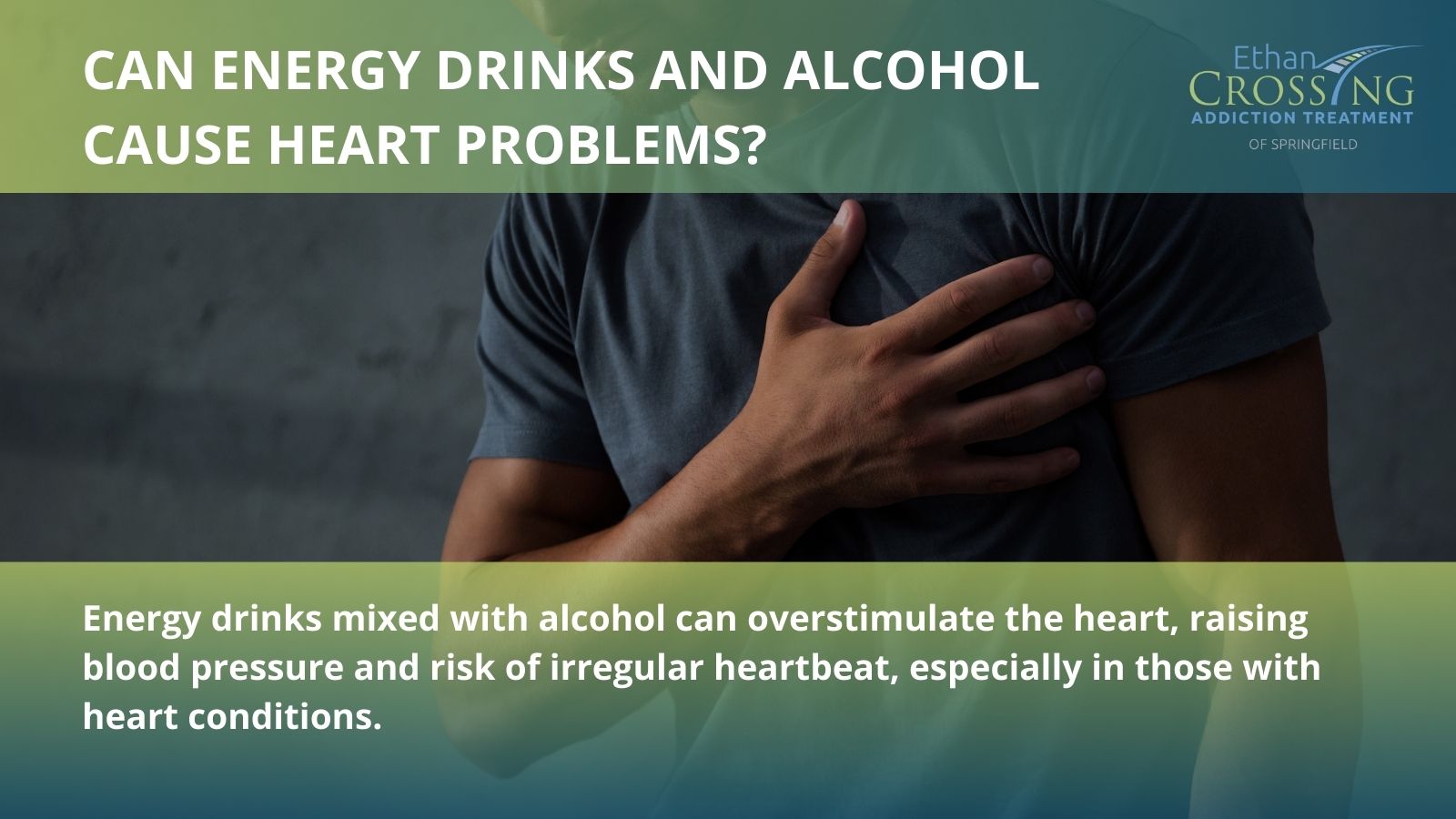 Yes, combining alcohol with high-caffeine energy drinks significantly increases the risk of cardiovascular issues. According to the American Heart Association, this mix elevates blood pressure and increases the likelihood of irregular heartbeat (atrial fibrillation), especially in people with pre-existing heart conditions.
Energy drinks contain anywhere from 80 to 300 mg of caffeine per serving. When mixed with alcohol, these high doses overstimulate the nervous system while dulling perception, contributing to cardiac stress.
Is There a Higher Risk of Binge Drinking With This Mix of Alcohol and Caffeine?
Yes, the risk of binge drinking increases when caffeine is consumed with alcohol. A 2017 study published in Addictive Behaviors found that individuals who mixed energy drinks with alcohol were more likely to consume larger quantities of alcohol per occasion compared to those who drank alcohol alone.
Caffeine delays the onset of drowsiness, which prolongs drinking sessions. This increased duration and volume lead to dangerous blood alcohol levels without the drinker realizing it.
Does Coffee Help You Sober Up After Drinking Alcohol?
No, coffee does not help you sober up. While caffeine makes you feel more awake, it does not reduce blood alcohol concentration (BAC) or enhance the liver’s ability to metabolize alcohol.
A study published by the National Institute on Alcohol Abuse and Alcoholism confirms that caffeine does not reverse alcohol impairment. People who feel more alert after coffee falsely believe they are safe to drive or make important decisions while still legally intoxicated.
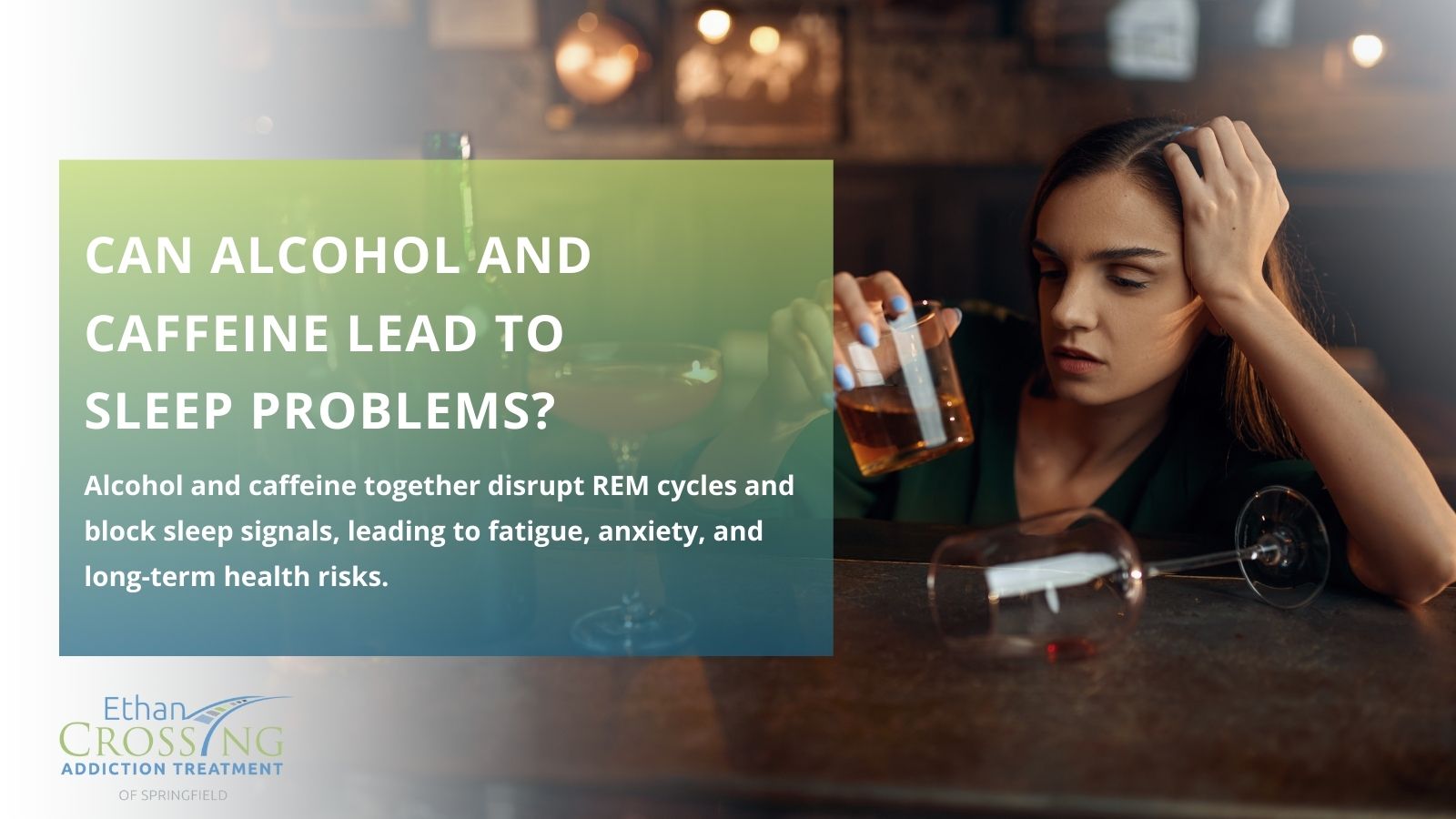
Can Alcohol and Caffeine Lead to Sleep Problems?
Can Alcohol and Caffeine Lead to Sleep Problems?
Yes, mixing alcohol and caffeine disrupts natural sleep patterns. Alcohol interferes with REM sleep cycles, while caffeine blocks adenosine, a brain chemical that promotes sleep.
Disrupted sleep leads to fatigue, impaired cognitive function, and increased anxiety. Long-term sleep problems are also linked to higher risks of heart disease and mental health disorders.
Are Some Caffeinated Alcoholic Beverages Banned?
Yes, in 2010, the U.S. Food and Drug Administration (FDA) banned the sale of pre-mixed caffeinated alcoholic beverages. These drinks, such as Four Loko (prior to reformulation), contained both high-proof alcohol and stimulants like caffeine, guarana, and taurine.
The FDA cited safety concerns after reports of alcohol poisoning and blackouts associated with these drinks. The stimulant effects of caffeine were shown to mask the depressant effects of alcohol, leading to higher consumption and riskier behavior.
What Types of Drinks Are Most Dangerous?
Energy drinks mixed with alcohol are more dangerous than sodas or coffee. Energy drinks contain large, unregulated amounts of caffeine, ranging from 80 mg to over 300 mg per can. In contrast, soda contains around 30 to 50 mg per serving.
Because energy drinks are marketed toward young adults and consumed quickly, they heighten the risk of overconsumption and stimulant-related side effects.
Can Alcohol and Caffeine Kill You?
Yes, in rare cases, the combination of alcohol and caffeine can be fatal. The stimulant effect of caffeine hides signs of severe alcohol intoxication, increasing the risk of alcohol poisoning. Both substances overstimulate the heart, leading to dangerous arrhythmias, stroke, or sudden cardiac arrest in vulnerable individuals.
What Are the Signs of Trouble After Mixing Alcohol and Caffeine?
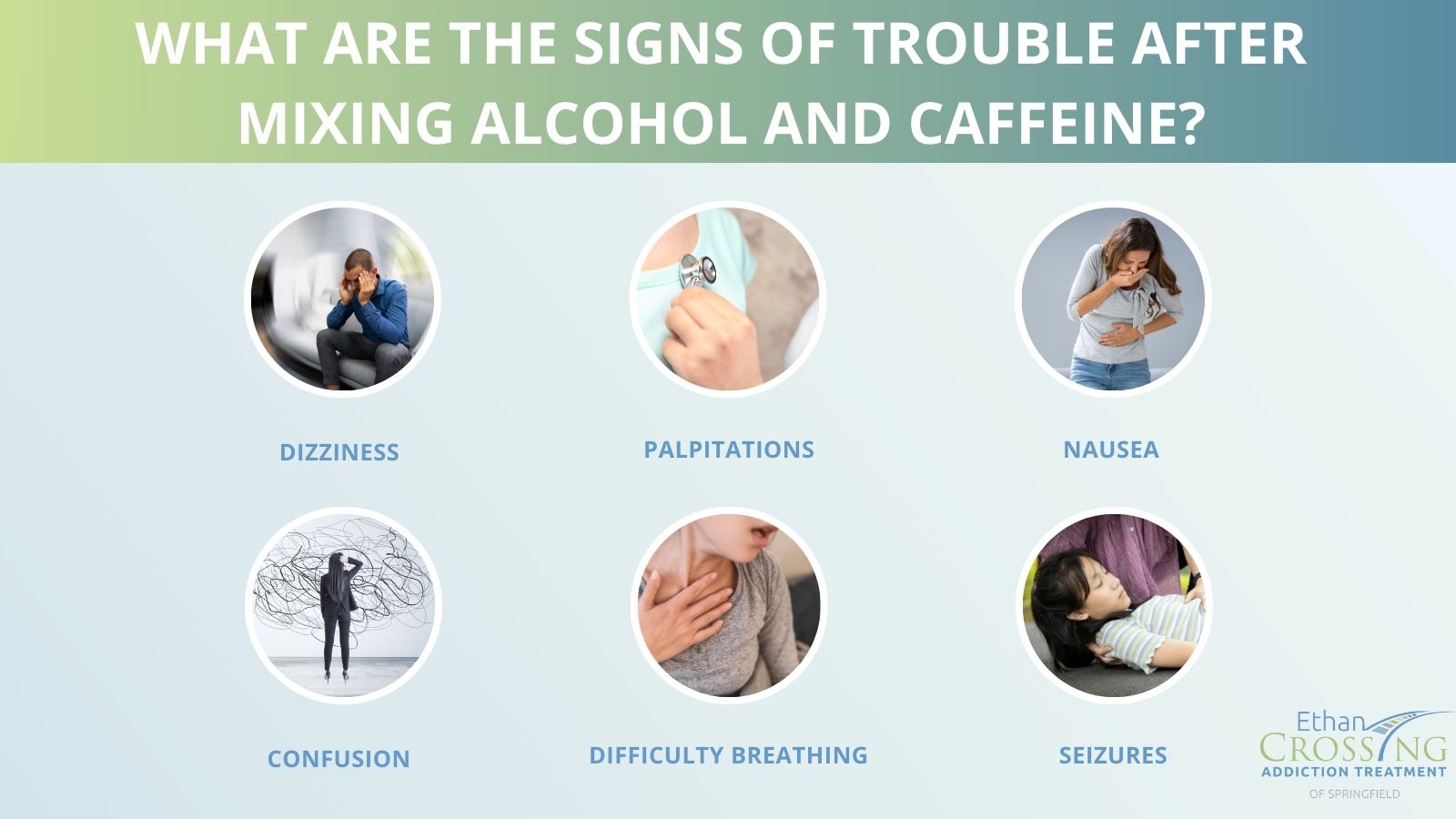
After mixing alcohol and caffeine, the signs of trouble include dizziness, fainting, confusion, and seizures. These symptoms indicate that the body is struggling to cope with the opposing effects of a stimulant (caffeine) and a depressant (alcohol), which leads to serious health risks.
What are the signs of trouble after mixing alcohol and caffeine
The following are the signs of trouble after mixing alcohol and caffeine:
- Irregular heartbeat or palpitations: Caffeine increases heart rate while alcohol can disrupt rhythm, leading to palpitations or arrhythmias that signal cardiac stress.
- Dizziness or fainting: Combining these substances causes a sudden drop in blood pressure or dehydration, resulting in lightheadedness or fainting spells.
- Nausea and vomiting: The stomach lining becomes irritated by both substances, triggering nausea, while delayed intoxication leads to alcohol poisoning.
- Confusion or disorientation: Caffeine masks alcohol’s sedative effects, which delay awareness of intoxication and lead to impaired cognition or mental fog.
- Difficulty staying awake: Once the stimulant wears off, the depressant effect of alcohol suddenly dominates, causing excessive drowsiness or blackouts.
- Seizures: Severe electrolyte imbalances, dehydration, or withdrawal triggered by excessive use provoke seizures in some individuals.
- Difficulty breathing: High doses of alcohol suppress respiratory function, and if masked by caffeine, this progresses unnoticed to dangerous levels.
What Should You Do If Someone Mixes Alcohol and Caffeine?
Stay with them, monitor their condition, and do not let them fall asleep if they appear overly intoxicated. Call for emergency help if they become unresponsive, have trouble breathing, or show signs of alcohol poisoning.
Who Is Most at Risk When Combining These Substances?
Young adults, people with heart conditions, and individuals taking stimulant medications are at higher risk of adverse effects when combining these substances. College students and partygoers are particularly vulnerable to binge drinking when using caffeinated alcoholic beverages.
How Can Alcohol Detox Help With Caffeine-Alcohol Abuse?
Alcohol detox can help with caffeine-alcohol abuse by safely managing the acute withdrawal symptoms that result from heavy alcohol use, mainly when stimulants like caffeine have been used to mask intoxication. Medical detox provides 24/7 monitoring to address complications such as dehydration, elevated heart rate, and blood pressure spikes that may occur due to the conflicting effects of alcohol (a depressant) and caffeine (a stimulant).
Alcohol detox also prevents dangerous rebound symptoms like seizures or arrhythmias, which are exacerbated by chronic mixed substance use. Detox sets the stage for continued treatment by stabilizing the body and preparing the brain for behavioral therapies that address co-use patterns and prevent relapse.
Can you drink soda with alcohol safely?
Yes, you can drink soda with alcohol safely, but caution is still necessary. While soda contains less caffeine than energy drinks, it can still mask alcohol’s effects if consumed in large amounts.
Is it illegal to mix caffeine and alcohol?
No, it is not illegal to mix caffeine and alcohol at home, but selling pre-mixed caffeinated alcoholic beverages is banned in the U.S.
How long should you wait between drinking caffeine and alcohol?
You should not mix caffeine and alcohol in the same session. Give several hours between consuming caffeine and drinking alcohol for the body to digest the first.
Can you overdose from mixing energy drinks and alcohol?
Yes, you can overdose from mixing energy drinks and alcohol. The mix causes heart arrhythmias, seizures, or even death in rare cases, particularly if binge drinking is involved.